


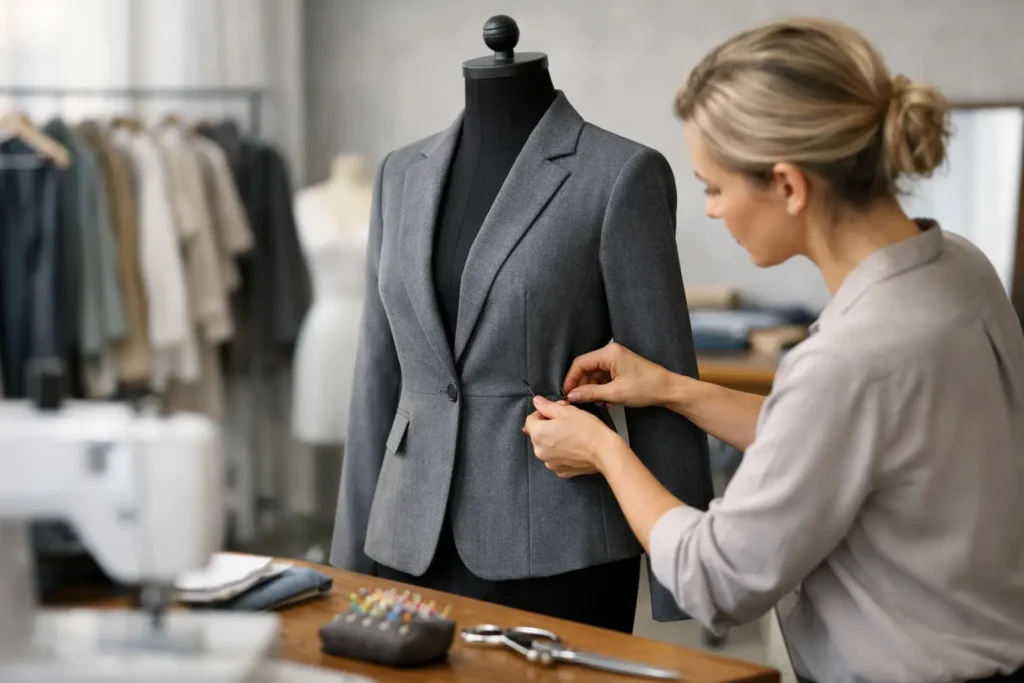
Heidelberg Clothing Alterations Studio for Better Fit
A garment can be the right size on the label and still feel wrong everywhere that matters. A jacket may pull across the shoulders, a dress may sit too loosely at the waist, or a favourite pair of jeans may be one repair away from years of extra wear. At a Heidelberg clothing alterations studio, the aim is not simply to make clothing smaller or shorter. It is to make each piece feel more natural to wear, more flattering, and more useful in your wardrobe.
Well-executed alterations give clothing a second chance. They can improve comfort for a long workday, bring a special-event outfit closer to the vision you had when you bought it, or preserve a quality item that is too good to leave unworn. The difference comes down to careful assessment, accurate measurements, and craftsmanship that respects the original garment.
Why fit is worth getting right
A good fit changes more than appearance. When trousers break at the right point, sleeves finish neatly at the wrist, and a dress follows the body without restricting movement, clothing becomes easier to wear with confidence. Small adjustments can have a surprisingly large effect.
This is particularly true for quality pieces. A well-made suit, formal dress, leather jacket or structured coat often has enough value to justify professional alteration. Replacing it can cost far more than refining the fit, especially when the garment is made from fabric, leather, beading or lining that needs experienced handling.
Alterations also offer a practical alternative to unnecessary waste. Rather than discarding an item because a zip has failed, a hem has dropped or the fit has changed, a repair or adjustment can return it to regular use. For many Melbourne households, that means getting more value from clothing already in the wardrobe.
What a Heidelberg clothing alterations studio can help with
A full-service tailor should be able to assess a broad range of garments, not only simple hems. The best approach depends on the construction of the item, the fabric, the intended use and how much adjustment is required. A quick conversation and fitting make it possible to recommend work that will look balanced and wear well.
Suits and professional clothing
Off-the-rack suits are designed around standard proportions, but most people do not fit a standard pattern exactly. Trouser hemming is common, yet the jacket often makes the bigger visual difference. Sleeve length, waist suppression, trouser tapering and seat adjustments can make a suit look considered rather than borrowed.
There are limits. Significant shoulder changes or major jacket restructuring can be complex and may not be the most cost-effective option for every garment. An experienced tailor will explain what is achievable before work begins, so there are no surprises at collection.
Dresses, formalwear and occasion pieces
Dress alterations often require a closer eye for shape and movement. Adjusting straps, taking in side seams, refining a neckline, shortening a hem or reshaping a bodice can transform the way a dress sits. The right alteration should keep the garment comfortable when sitting, walking and dancing, not just when standing in front of a mirror.
For gowns with delicate fabrics, sequins, lace, boning or layered skirts, allow extra time. These details need to be handled carefully, and the work may involve removing and replacing embellishments to maintain a clean finish.
Wedding and bridal alterations
Wedding garments deserve an unhurried fitting process. Whether it is a bridal gown, bridesmaid dress, mother-of-the-bride outfit or suit, the goal is a fit that feels secure and comfortable throughout a long day.
Timing matters here. Bring shoes, undergarments and any shapewear you plan to wear on the day, as each can change the final length and shape. If your weight is likely to change before the wedding, discuss the schedule with your tailor. Some adjustments are best completed closer to the event, while others need to be planned early to allow for detailed work.
Everyday repairs and wardrobe essentials
The items worn most often are usually the ones that need attention first. Jeans may need hemming or repairs, school uniforms may need resizing, shirts may need sleeve adjustments, and trousers may need a new zip or a waist alteration. These are practical jobs, but precision still matters. A crooked hem, mismatched thread or poorly placed repair can be more obvious than the original problem.
A trusted local business can also help with specialist requests, including saree blouse alterations and adjustments to culturally significant garments. These pieces often require an understanding of fit, modesty, structure and decorative details, rather than a one-size-fits-all approach.
Leather and curtain alterations
Leather requires different tools and techniques from standard fabric. Pin marks can remain visible, and stitching errors are not easily hidden, so the work needs to be planned carefully. From leather jacket repairs to adjustments on selected leather garments, it is worth seeking advice before assuming a repair cannot be done.
Curtain alterations are another useful service for changing homes, updated windows or ready-made curtains that need a better finish. Correct length and even hems affect how curtains hang, particularly with heavier fabrics or lined styles. Measuring accurately is essential, so bring clear dimensions or discuss the best way to prepare your curtains for alteration.
What to expect from a professional fitting
A good alteration begins before the sewing machine. During a fitting, the tailor looks at how the garment sits on your body, where it pulls or gaps, and how you need it to function. They may ask where you will wear it, whether you need room to move, and what shoes or layers you will pair with it.
Wear or bring the items that affect the fit. For trousers, that may mean your usual shoes. For a wedding dress, it usually means the full foundation garments. For a work jacket, bring the shirt you expect to wear underneath. These details help the tailor set the right length, balance and ease.
Be clear about what feels uncomfortable. You do not need tailoring terminology to describe the issue. Saying that the waistband digs in when you sit or that the neckline feels too open provides useful direction. The tailor can then determine whether the alteration is technically suitable and how it should be approached.
Choosing the right alteration service
Convenience is useful, but clothing with sentimental, financial or practical value deserves more than a rushed counter transaction. Look for a studio that provides direct communication, examines the garment before quoting, and sets realistic expectations about timing and results.
Experience across different garment types is also valuable. The method used to shorten casual jeans is very different from the method used for a lined jacket, silk dress or beaded bridal gown. A broad skill set means the work is assessed on its own merits rather than treated as a standard job.
At AD Stitch, European tailoring heritage is paired with friendly, local service at the Heidelberg studio in Warringal Shopping Centre. Customers can arrange an appointment or enquire about a particular garment, whether it is a quick repair, an important formal outfit or a piece that needs careful refitting.
Plan ahead for the best result
For straightforward jobs, timing can often be flexible. However, it is wise to allow more time for weddingwear, formal occasions, leather pieces and garments with complex lining or embellishment. Bringing an item in early gives the tailor room to do the work properly and gives you time for a further fitting if required.
Avoid pinning, cutting or attempting temporary fixes at home before seeking advice, particularly on delicate fabrics. A small DIY adjustment can make professional repair more difficult. Keep any spare buttons, matching fabric or original hems as well, as they can be useful during the alteration.
The garment you keep reaching past because it almost fits may be closer to becoming a favourite than you think. A careful fitting and expert alteration can make it the piece you reach for first.