


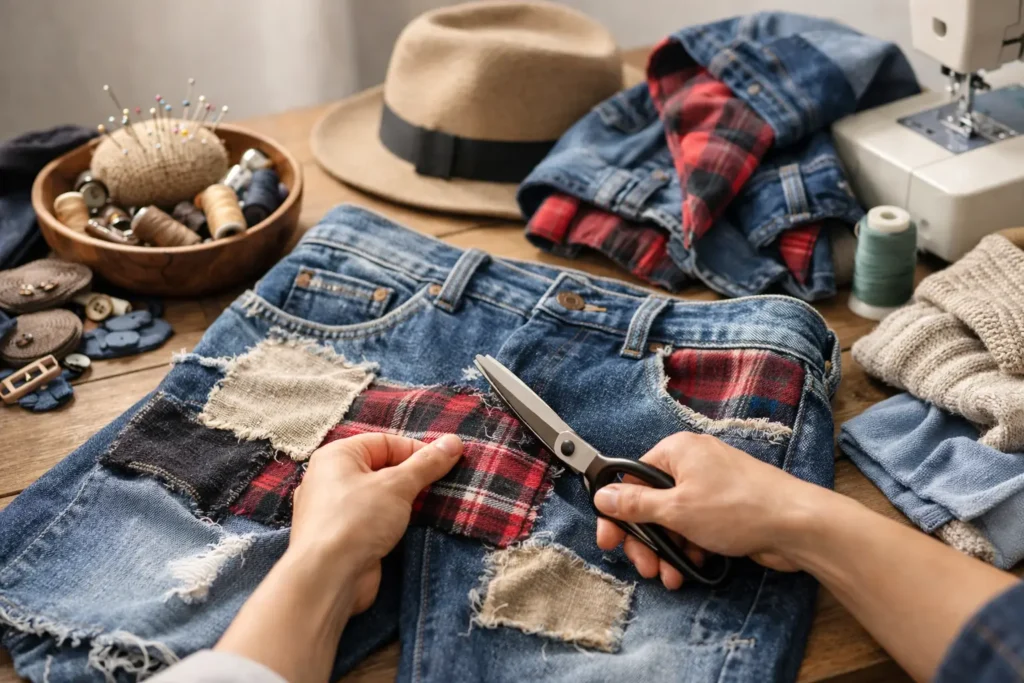
Creative Upcycling of Garments You’ll Wear
A dress that no longer suits your style, a suit jacket with excellent fabric but dated proportions, or jeans that fit everywhere except the waist do not have to become wardrobe clutter. Creative upcycling of garments is about seeing the potential in what you already own, then using thoughtful alterations to make each piece useful, flattering and personal again.
This is not simply a matter of patching a hole or shortening a hem. Good upcycling respects the original garment while improving its fit, function or look. Sometimes that means a subtle adjustment that lets you wear a favourite piece for another decade. Other times, it means a complete reinvention.
What creative upcycling of garments can achieve
The most successful upcycling projects begin with quality. Natural fibres, well-made seams, generous seam allowances and fabrics you genuinely enjoy wearing are often worth the investment. A beautifully constructed wool jacket, silk dress or leather coat may need updating, but its material and craftsmanship can be far better than many new alternatives.
Fit is usually the first opportunity. A garment can look dated when it is actually just too loose through the body, too long in the sleeve or sitting incorrectly at the shoulder. Refining the shape can give it a cleaner, more current appearance without losing the reason you bought it in the first place.
Upcycling can also solve practical problems. A formal dress can become a versatile cocktail length. Trousers can be reshaped after a change in size. A damaged hem can be shortened neatly, and a stained section may be removed or reworked into a design detail. The right alteration gives clothing a second life that feels intentional, not improvised.
Start with the garment, not the trend
Before deciding what to change, assess the piece honestly. Ask whether you still like the fabric, colour and overall feel. If the answer is yes, the garment may be a strong candidate for alteration. If you are only holding onto it because it was expensive or because you feel guilty discarding it, an extensive remake may not be worthwhile.
Look closely at the condition as well. Fading, thinning fabric around seams, moth damage, brittle elastic and worn lining can affect what is possible. Minor wear is often repairable, but a tailor should inspect garments with significant damage before you commit to a plan.
It also helps to think about how you would wear the finished item. A great idea on a hanger is not always practical in real life. Consider your existing wardrobe, the shoes you reach for, your work dress code and the occasions you actually attend. The aim is not to create something unusual for the sake of it. It is to make clothing you will confidently wear.
Alterations that make a familiar piece feel new
A few precise changes can have a remarkable effect. A maxi dress may become a midi dress with a more wearable hemline. A dated skirt can be narrowed or shortened, provided the fabric and construction allow it. A loose blouse can be shaped through the side seams for a neater silhouette, while sleeves can be adjusted to sit at a more flattering length.
Men’s and women’s tailoring offers equally useful options. Suit trousers can be tapered, jackets can be taken in through the body, and sleeves can be refined for better balance. For special garments, such as bridesmaid dresses or formalwear, changing the neckline, straps or hem can make a once-only item suitable for future events.
Denim is particularly versatile, although its heavy seams and original finishes require careful handling. Jeans can often be taken in at the waist, tapered through the leg, shortened with an appropriate finish or repaired at high-wear areas. The best approach depends on the denim weight, wash and construction.
When a redesign is worth considering
Some garments invite a more creative transformation. A long coat with a worn lower section might become a shorter jacket. A damaged dress may be reworked into a skirt if the waist and fabric placement permit. Two related garments can occasionally be combined, although this requires a close match in weight, drape and colour.
Lining, buttons and trims can also change the character of a piece. Replacing tired buttons on a blazer can make it feel sharper. A fresh lining can improve comfort and extend the life of a quality jacket or coat. Adding a modesty panel, adjusting a split or rebuilding a waistband can make a garment more comfortable and appropriate for how you dress now.
There are limits, and an experienced tailor will be clear about them. Taking a garment in is generally easier than letting it out, because extra fabric may not be available inside the seams. Major changes around shoulders, armholes or a tailored jacket’s structure are possible in some cases, but can be more complex and costly than simpler adjustments. The value lies in choosing work that suits both the garment and your budget.
Give treasured pieces the treatment they deserve
Sentimental garments often deserve special consideration. Perhaps you have inherited a wool coat, kept a favourite evening dress from years ago, or have a wedding garment you would like to preserve or adapt. These pieces need a careful approach because fabric age, construction and emotional value all matter.
Rather than rushing into a dramatic redesign, start with what will make the item wearable. A new lining, discreet repair, updated hem or refined fit may be all it needs. If the garment cannot realistically be worn again, selected fabric or details may still be repurposed into a smaller meaningful item. The right choice depends on whether your priority is daily use, preservation or a keepsake.
For wedding and occasionwear, timing matters. Bring the garment in well before the event, especially if several fittings or detailed changes are required. This allows room to assess the construction, make adjustments with care and ensure you feel comfortable when you move, sit and dance.
Why professional tailoring matters
Creative ideas are valuable, but clean execution is what makes an upcycled garment look polished. Uneven hems, stretched seams, poorly matched thread or bulky alterations can make even beautiful fabric look less refined. Tailoring expertise is especially important with delicate fabrics, leather, formalwear, lined garments and structured suits.
A professional fitting also identifies concerns that are easy to miss at home. The way a shoulder sits affects the sleeve. A hem length changes the garment’s proportions. Taking in a waist can alter pocket placement, lining and side seams. These details are why a tailored result feels comfortable as well as looking right.
At AD Stitch, creative garment updates are approached with the same care as any expert clothing alteration: first understand how you want to wear the piece, then recommend a practical path to a precise finish. It may be a straightforward repair, a fit adjustment or a more considered redesign.
Care for an upcycled garment properly
Once your garment has been altered, look after the work by following the fabric’s care requirements. Avoid over-washing items that only need airing, use suitable hangers for jackets and dresses, and have minor repairs attended to before they become larger problems. Replacing a loose button or repairing a small seam early can protect the rest of the garment.
Keep any spare buttons, matching fabric pieces or original trims with the item where possible. They can be useful for future repairs. For structured coats, suits and special dresses, professional cleaning and thoughtful storage are often worth the extra care.
The most satisfying wardrobe is rarely the one with the most clothes. It is the one filled with pieces that fit well, feel like you and are ready to be worn. Before replacing a garment that has lost its place in your rotation, take a closer look. A careful alteration may be all that stands between an overlooked item and your next favourite outfit.