


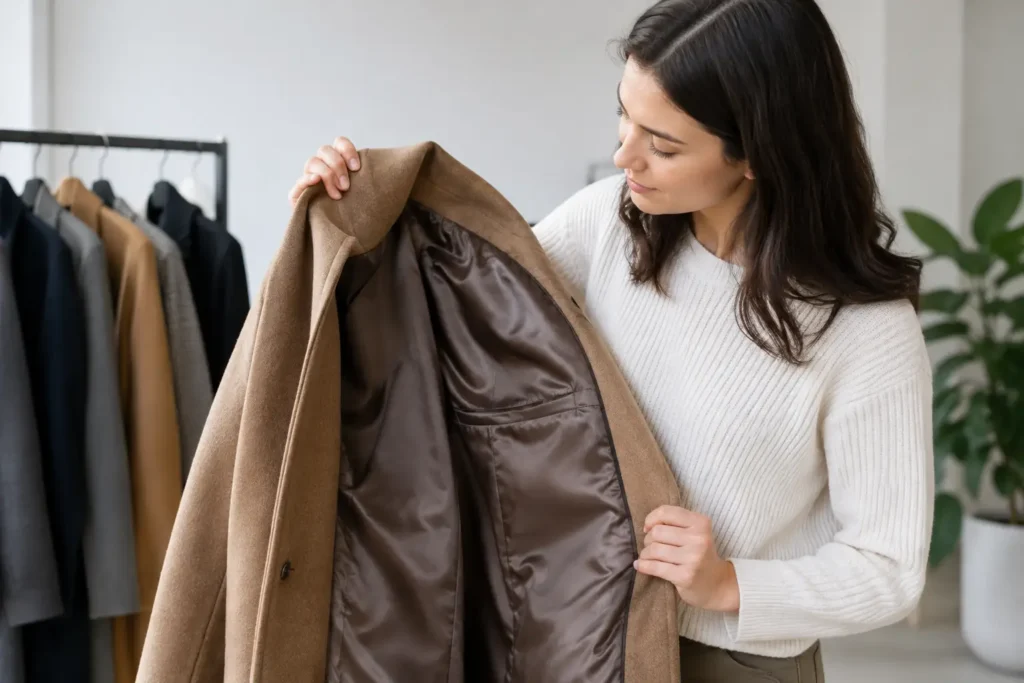
Is Coat Relining Melbourne Worth It for You?
A coat can look immaculate from the outside yet feel tired every time you put it on. Torn sleeve linings, frayed seams, snagged pockets and fabric that catches on your clothes are common signs that it is time to consider coat relining Melbourne services. A quality outer coat is often worth far more than its damaged lining suggests – especially when the fit, fabric and cut are still right for you.
What coat relining actually involves
Relining is more than sewing fresh fabric over a worn section. A tailor carefully removes the existing lining, checks the inside construction of the coat, repairs any weak points, and creates a new lining that sits correctly within the garment. The work needs precision because the lining affects how the coat hangs, moves and feels over the clothes beneath it.
A poorly fitted lining can pull across the shoulders, twist the sleeves or cause the outer fabric to bunch. It can also make a coat difficult to put on and take off. Professional relining keeps the lining secure while allowing the coat enough ease to move naturally.
For tailored wool coats, trench coats, overcoats and structured jackets, this attention to detail matters. These garments often have shaped fronts, vents, facings, interior pockets and carefully finished sleeve hems. Each part must be opened and reconstructed properly to preserve the original appearance.
When is a new lining worth the investment?
Relining makes good sense when the outer fabric is in strong condition and the coat fits well. If you have a favourite coat that suits your wardrobe, replacing a worn lining can give it many more seasons of comfortable wear. It is also a practical way to keep a high-quality garment out of landfill.
The decision depends on the coat’s overall condition. A tailor will consider the value and quality of the outer fabric, the state of the seams and buttons, whether the coat has moth damage, and whether the style is one you will genuinely continue to wear. A classic wool overcoat or well-made trench is usually a stronger candidate than a cheaply constructed coat with thinning outer fabric.
Relining is particularly worthwhile when only the sleeve lining has worn through. Sleeves receive constant friction from shirts, knitwear, watches and movement at the elbow. In some cases, targeted sleeve relining is enough. If the body lining is brittle, stained, torn in several places or pulling away from the facings, a full reline is generally the better long-term repair.
Signs your coat lining needs attention
Small tears do not always mean the entire lining needs replacing, but they should not be ignored. Once a lining starts to fail, stress can spread along the seam or through fragile fabric quickly.
Bring your coat in for an assessment if you notice:
- splits in the lining at the underarm, centre back or pocket openings
- holes or thinning fabric inside the sleeves
- a lining that catches, twists or pulls when you move
- loose lining seams around the hem, vents or facing
- interior pockets coming away from the coat
A simple repair may be appropriate when damage is localised and the surrounding lining remains sound. When the material is worn across several areas, patching can become less practical and less tidy than replacing it properly.
Choosing the right lining for your coat
A replacement lining should suit the coat’s purpose as well as its colour and style. The fabric needs to glide easily over your clothing, cope with regular wear and complement the structure of the outer garment.
For a wool business coat, a smooth, durable lining is often the most comfortable choice because it helps the coat slide easily over a shirt, blouse or knitwear. For a lighter trench or raincoat, the lining may need to be less bulky so the garment keeps its intended shape. A special occasion coat can allow more room for colour, pattern or a distinctive finish, provided the fabric is still suitable for the garment’s construction.
The original lining may have been plain black, navy or neutral, but replacement is also an opportunity to add personality. A subtle patterned lining, rich colour or contrast finish can make an older coat feel new again without changing its polished exterior. For conservative office wear, many clients prefer a close match to the original. For a vintage piece or personal favourite, something more individual can be a lovely choice.
The key is not to choose on appearance alone. Very lightweight lining may not last in a heavy coat, while a lining that is too heavy can change the drape. An experienced tailor can recommend options based on the coat fabric, how often you wear it and the finish you have in mind.
The details that make relining look professional
Good coat relining is largely invisible from the outside, but you will notice the difference each time you wear the garment. The collar and lapels should sit flat. The sleeves should turn cleanly without the lining peeking out. The hem should not be pulled up, and vents should open and close naturally.
Interior features also deserve careful handling. Many coats have welt pockets, hanging loops, labels, chest pockets or button tabs that need to be retained or reconstructed. These details are easy to overlook, but they contribute to the coat’s usefulness and original character.
A tailored coat may also need small repairs while it is open. Loose buttons can be secured, weak seams reinforced and minor wear addressed before it becomes a larger problem. Doing this work during relining is often more sensible than waiting until a separate repair is needed.
Coat relining Melbourne clients can trust
For coat relining in Melbourne, the best result starts with an honest inspection. Not every coat needs a full new lining, and not every garment is worth restoring. A skilled tailor should explain what can be repaired, what should be replaced and whether the investment suits the coat’s condition.
At AD Stitch, each coat is assessed with the same care given to suit alterations, dress repairs and other detailed garment work. The aim is to preserve the fit you already love while improving comfort, durability and presentation. A coat that has been relined well should feel reliable again, not noticeably altered.
It is helpful to bring the coat in wearing, or alongside, the layers you would normally have underneath. This gives the tailor a clearer sense of how the garment moves and whether any fit adjustments are worth considering at the same time. A coat that feels restrictive may need more than lining work, while a coat that fits perfectly should be protected from unnecessary changes.
Looking after a newly relined coat
Once a coat has been relined, a few habits can help the new fabric last. Hang it on a sturdy, shaped hanger rather than a narrow wire one, which can distort the shoulders. Empty heavy items from interior pockets, as keys and mobile phones can pull at the pocket seams and lining.
Avoid forcing the sleeves when putting the coat on over bulky jumpers. If the coat gets wet, let it dry naturally away from direct heat. Regular cleaning should follow the garment’s care label, and any new snag or split is best repaired early.
Your coat has already earned its place in your wardrobe. If the exterior still looks good and the fit gives you confidence, a carefully chosen new lining can make every wear feel considered again. Bring it to a local tailor for a clear assessment, then decide with confidence whether it deserves its next chapter.