


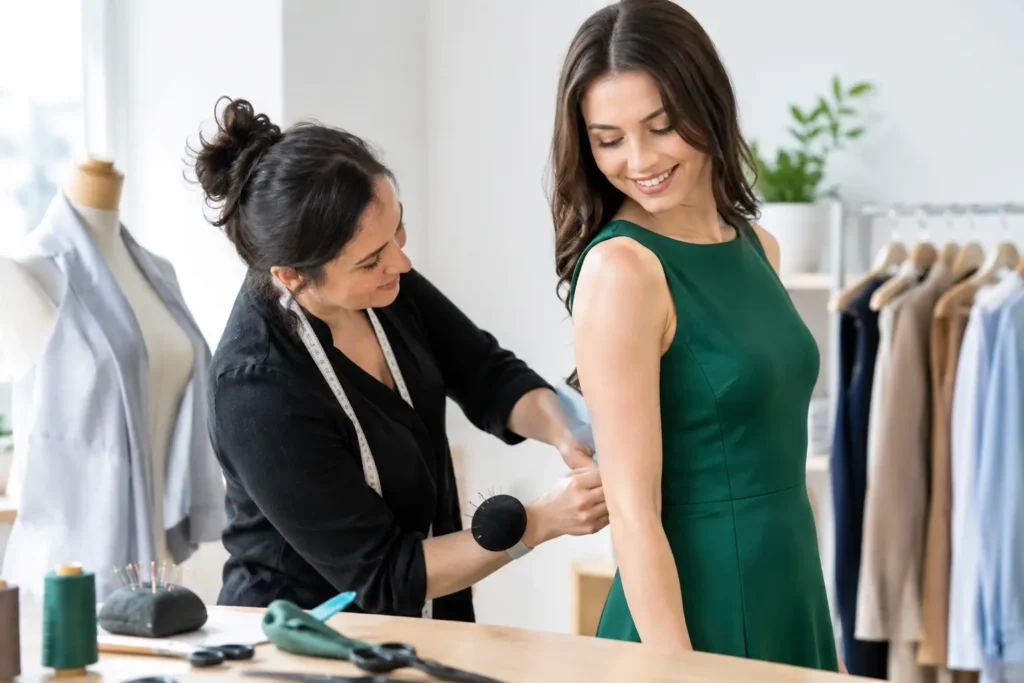
Clothing Alterations Heidelberg That Fit Better
A jacket that pulls across the shoulders, trousers that break untidily at the shoe, or a dress that almost fits can all change how you feel when you wear them. Professional clothing alterations Heidelberg customers rely on are not simply about taking fabric in or letting a hem down. They are about making a garment sit correctly on your body, move comfortably and look as though it was made for you.
A good alteration can turn an overlooked item at the back of the wardrobe into one you reach for every week. It can also protect the investment you have made in a quality suit, special-occasion outfit or favourite pair of jeans.
Why a precise fit changes everything
Ready-to-wear clothing is made to standard measurements, but bodies are not standard. You may need more room through the hip, a cleaner waistline, a shorter sleeve or a hem that works with the shoes you actually wear. Even a small adjustment can improve proportion and comfort.
Fit is especially noticeable in structured garments. A suit jacket may be the right chest size but too loose through the waist. A formal dress may fit beautifully through the bodice but be too long for your event shoes. When these details are corrected carefully, the garment looks more polished without looking altered.
The best results come from looking at the garment as a whole. Shortening trousers, for example, is not just a matter of choosing a length. The tailor considers the cut of the leg, where the hem sits on your footwear and whether the original finish can be retained. This practical judgement is where experienced craftsmanship matters.
Clothing alterations in Heidelberg for everyday wear
Everyday alterations are often the most worthwhile because they make your regular wardrobe easier to wear. Jeans can be hemmed while preserving their original finish, shirts can be shaped through the sides, and skirts can be adjusted at the waist or length. A loose waistband, broken zip or worn seam does not always mean the garment has reached the end of its life.
Repairs are a sensible choice when the fabric is still in good condition and the item suits your wardrobe. Replacing a zip, repairing a split seam or reinforcing a stressed area can extend its wear for years. This is often better value than replacing a well-made item with something that does not fit as well.
That said, repair is not always the right answer. Fabric that is thin, badly faded or damaged across a large area may not hold a repair neatly. An honest tailor will explain what can be achieved and whether the cost is justified before work begins.
Trousers, denim and shirts
Trouser alterations can include hemming, tapering the leg, adjusting the waist and repairing pockets or zips. The right option depends on the construction of the trousers and the amount of fabric available in the seams. Taking a waistband out is usually more limited than taking it in, so it is worth bringing the trousers in for an assessment rather than guessing.
Denim needs particular care. Heavy seams, rivets and original hems can affect how an alteration is completed. A quality finish should preserve the character of the jeans while giving you a length and shape that feels right.
For shirts, a small adjustment through the body or sleeve can remove excess fabric and create a cleaner silhouette. It is important not to overdo it. A shirt still needs enough ease for reaching, sitting and moving through a working day.
Dresses, formalwear and wedding garments
Special garments deserve time and careful fitting. Dress alterations may involve adjusting straps, reshaping the bodice, refining the waist, shortening layers of fabric or repairing delicate closures. Sequins, lace, beading and fine fabrics all require a measured approach so the detail remains balanced.
For wedding gowns and bridesmaid dresses, timing matters. Bring the shoes, underwear and any shapewear you plan to wear on the day. These can change the way a dress sits and the final hem length. If you are adding a bustle, it should be tested while walking and moving so the gown can be secured comfortably after the ceremony.
A wedding alteration is rarely a one-size-fits-all service. Some gowns need only a hem and strap adjustment, while others require more detailed work through the bodice, side seams or train. Booking early gives room for fittings and careful finishing, particularly during busy wedding periods.
Cultural and occasion garments also benefit from specialist handling. Saree blouses, embellished outfits and garments with intricate trims need alterations that respect their original design while improving comfort and fit.
Suit alterations are about balance, not just size
A suit should look composed when you stand, sit and move. The shoulder line, sleeve length, jacket waist, trouser break and seat all work together. If one area is wrong, it can affect the overall appearance.
Some suit alterations are straightforward, such as hemming trousers or refining a jacket waist. Others are more complex. Altering shoulders, changing a jacket length or significantly resizing a lined jacket may be possible, but it requires more labour and may not be the most economical choice. The original construction and fabric will guide the recommendation.
For the best fitting, wear the shirt and shoes you would normally pair with the suit. If it is for a wedding, interview or major event, mention the occasion. The desired look for a corporate suit may be different from a more relaxed modern fit.
Leather and curtains need specialist judgement
Leather garments cannot be treated like cotton shirts or standard trousers. Needle holes remain visible, and a mistake can be difficult to reverse. Leather alterations may include sleeve shortening, side seam adjustments, lining repairs and zip replacement, depending on the garment’s design and condition. Bring the item in so the material, panels and hardware can be checked before a quote is given.
Curtain alterations also call for accurate measuring. A hem that is only slightly uneven can stand out once curtains are hanging across a window. The final length depends on whether the curtains sit above the floor, just touch it or puddle slightly. Bring measurements and, where possible, the curtains themselves for a clearer assessment of fabric weight, lining and heading style.
What to expect from a fitting
A professional fitting should feel straightforward and personal. You explain what is not working, try the garment on and move naturally while the fit is assessed. A skilled tailor may suggest a different alteration from the one you had in mind if it will produce a cleaner result.
Bring the footwear you intend to wear with hems, particularly for formal dresses and wide-leg trousers. For fitted garments, bring the undergarments that will be worn with them. These small details help avoid surprises when you collect the finished piece.
Turnaround time depends on the garment, the complexity of the work and current workload. A simple hem may be completed quickly, while wedding dresses, detailed repairs and leather work require more planning. If you have a fixed event date, say so at the first fitting. Clear communication makes it easier to plan the work properly.
Choosing a local tailor with confidence
The right tailor listens first. They should be able to explain the work in plain language, set realistic expectations and treat your clothing with care. Price matters, but the cheapest option can be costly if the fit is rushed, seams are distorted or a delicate garment is mishandled.
Look for a service that works across different garment types rather than offering only basic hems. Experience with dresses, suits, repairs, leather and curtains indicates a broad understanding of fabric, construction and finishing. It also means you have one trusted local place for both everyday fixes and important pieces.
At AD Stitch in Heidelberg, European tailoring heritage is paired with practical, friendly service for garments that need to look good and feel right. Whether you are preparing for a major occasion or rescuing a favourite everyday item, a careful fitting is the first step towards clothing you will genuinely enjoy wearing again.
The right alteration does more than change a measurement. It gives a good garment a proper place in your wardrobe, and gives you the confidence to wear it often.