


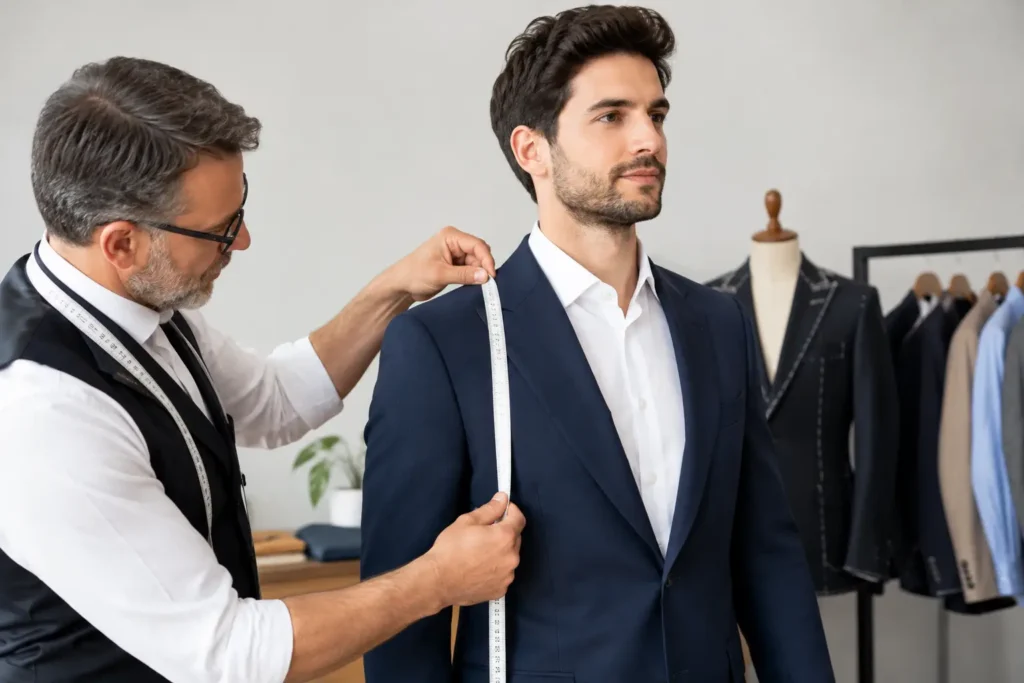
Best Garments to Tailor First for Better Fit
A shirt that pulls at the shoulders, trousers that bunch at the ankle, or a dress that slips at the bust can make an otherwise excellent outfit feel wrong. The best garments to tailor first are usually not the newest or most expensive pieces in your wardrobe. They are the items you reach for often, love wearing, and almost fit perfectly.
A precise alteration can change how a garment sits, moves and feels without asking you to replace it. For Melbourne professionals, event guests and anyone building a more useful wardrobe, tailoring the right pieces first delivers far more value than chasing another round of shopping.
How to choose the best garments to tailor first
Start with wear frequency. If you wear a garment weekly, even a small improvement will be noticed again and again. Next, consider the quality of the fabric and construction. A well-made wool jacket, silk dress or sturdy pair of denim jeans is often worth adjusting because the garment has years of wear left in it.
Fit problems matter too. Hemming is generally straightforward, while altering a garment through the shoulders, resizing a heavily lined piece, or reshaping leather requires more specialist work. That does not mean those alterations are off the table. It simply means an experienced tailor should inspect the garment and explain what will give the best result.
The most worthwhile alterations tend to improve proportion, comfort and confidence at once. A garment should allow you to sit, walk, reach and breathe comfortably while still looking considered.
Trousers and jeans: the everyday priority
Trousers are often the first smart investment because a poor fit is immediately visible. Too much fabric at the ankle can make even quality trousers look untidy, while a hem that is too short can throw off the balance of your whole outfit.
Hemming trousers to suit the shoes you actually wear is one of the simplest ways to sharpen a work wardrobe. Suit trousers, chinos and wide-leg pants all sit differently, so bring along the shoes you plan to wear most often. This helps your tailor set the right break and length rather than relying on a guess in the fitting room.
Jeans are equally worth considering, particularly when the waist fits but the length does not. Keeping the original denim hem can preserve the casual finish of premium jeans. Waist adjustments, tapering through the leg and repairs to worn inner thighs can also extend the life of a favourite pair. However, major changes to the rise or hip area may affect the original shape, so they need an honest assessment before work begins.
Jackets and blazers: where fit shows craftsmanship
A jacket has a clear job: it should frame the shoulders, sit close enough through the body to look intentional, and allow comfortable movement. When it does, the rest of an outfit tends to look more polished with very little effort.
Sleeve length is one of the most effective blazer alterations. For many people, a sleeve that finishes around the wrist bone creates a cleaner line and allows a little shirt cuff to show. Taking in the waist can remove excess fullness and give a jacket shape, especially in off-the-rack pieces designed for a broad range of body types.
Shoulder alterations are more complex. Because the shoulder is the foundation of the jacket, it is best to buy a jacket that fits reasonably well there from the start. A skilled tailor can advise whether other changes are worthwhile, but sleeves, waist and length are usually more practical places to refine an existing blazer or suit jacket.
For working professionals, tailoring one reliable suit before buying a second can be a sensible move. A suit that fits properly communicates care and makes long days, meetings and formal occasions more comfortable.
Dresses: tailor the areas that affect movement
Dresses can look beautiful on a hanger yet feel uncertain once you start walking, sitting or dancing. The best dress alterations are usually those that make the wearer feel secure: adjusting shoulder straps, refining the side seams, shortening the hem, or reshaping the bust and waist.
Strap adjustments are small but powerful. They can lift the neckline to the right position, reduce gaping and help the dress sit where it was designed to sit. Hemming also deserves careful attention, particularly for occasion dresses. The right length depends on the shoe height, the silhouette and whether you need freedom to move around a venue.
For a fitted dress, bring the bra or shapewear you intend to wear. These layers can change the fit substantially, and a fitting is most accurate when the full outfit is present. The same approach applies to saree blouses and other culturally significant garments, where accurate shaping, comfort and respect for the original style all matter.
Shirts and tops: small changes, frequent rewards
Shirts are easy to overlook because they are everyday items, but they are often among the most rewarding garments to alter. Sleeve shortening, side-seam adjustments and a cleaner fit through the body can make a business shirt or favourite blouse feel made for you.
The collar and shoulders should already sit well when you buy the shirt. Those areas are more difficult to change than the sleeves or body. If a shirt is too large everywhere, it may need more work than it is worth. But if it fits through the shoulders and simply billows at the waist or has sleeves that cover your hands, tailoring can turn it into a regular favourite.
This is especially useful for people who find that standard sizing does not match their proportions. Rather than settling for a shirt that feels either restrictive or oversized, a considered alteration can create a much more balanced fit.
Skirts, coats and knitwear worth saving
Skirts are strong candidates for tailoring when the waistband is loose, the hem is awkward, or the lining has shifted. A good adjustment can make a skirt sit comfortably at the natural waist or preferred hip position, which changes how the whole silhouette falls.
Quality coats are also worth repairing or refining. Replacing a lining, fixing a split seam, adjusting sleeve length or repairing a damaged pocket can preserve an expensive outer layer that still has plenty of life left. Coats can be complex due to their structure, lining and fabric weight, so a consultation is the best way to establish what is achievable.
Knitwear requires a gentler approach. Small repairs to holes or loose seams may be possible, but reshaping stretchy knits can be less predictable than altering woven fabric. If it is a treasured wool jumper or a piece with sentimental value, have it assessed rather than attempting a home repair that may worsen the damage.
Wedding and special-event garments should be booked early
Formalwear often has limited room for compromise. A wedding dress, bridesmaid dress, formal gown or tailored suit needs to look right from every angle and remain comfortable for hours. Alterations may involve multiple fittings, detailed hand finishing, lace, beading, boning or delicate fabrics.
Book early enough to allow for careful fitting rather than rushing close to the event. Bring your shoes, undergarments and any accessories that influence the fit. If your weight is likely to change before the occasion, tell your tailor at the first appointment so the timing can be planned sensibly.
At AD Stitch, garments are assessed individually because the right solution depends on the fabric, construction and how you want to wear the piece. That personal approach matters most when a garment is meaningful, expensive or needed for a date that cannot move.
When tailoring is not the best option
Not every garment deserves extensive alteration. Very low-cost clothing with thin fabric, poor seams or badly distorted shape may not hold up after significant changes. A garment that is several sizes too large or too small can also require more reconstruction than its value justifies.
There are exceptions. Sentimental items, vintage pieces and high-quality garments may be worth the additional care even when the work is more involved. The key is to weigh the cost against how often you will wear it, how much you enjoy it and whether the final fit will genuinely suit your life.
Bring in the garment you keep leaving in the wardrobe because one detail annoys you. Often, a hem, waist adjustment or careful repair is all that stands between an almost-right piece and one you are pleased to wear.