


What a Tailor Can Fix in Your Wardrobe
That jacket you never wear because the sleeves feel too long. The dress that fits beautifully everywhere except the waist. The trousers that looked fine in the changeroom but never quite sit right in real life. A good tailor solves exactly these problems, turning clothes that are close enough into garments you actually enjoy wearing.
For many people, tailoring still feels like a service reserved for formalwear or special occasions. In practice, a tailor can help with far more than suit hems and wedding dresses. Everyday workwear, denim, school uniforms, leather pieces, occasionwear and even household fabrics can often be adjusted, repaired or reshaped to fit better and last longer.
What does a tailor actually do?
At the simplest level, a tailor alters clothing so it fits the person wearing it, not just the sizing label stitched inside. That might mean shortening sleeves, taking in a waist, tapering pants, lifting shoulders or adjusting the line of a skirt. It can also mean repairing torn seams, replacing zips, reinforcing worn areas and restoring garments that still have plenty of life left in them.
The real value is not just in making something smaller or shorter. Skilled tailoring is about proportion, balance and movement. A jacket can technically fit your chest but still sit poorly through the shoulders. A dress can zip up yet pull awkwardly across the hips. Good alteration work considers how a garment hangs, how it moves when you walk or sit, and where the fabric should fall on your body.
That is why tailoring is rarely one-size-fits-all. The same adjustment that improves one person’s trousers may ruin another’s. Fabric type, garment construction and intended use all matter.
When a tailor is worth it
The clearest sign you need a tailor is simple: you keep avoiding a garment you want to wear. If something is uncomfortable, unflattering or slightly awkward, it tends to stay in the wardrobe. Often, the issue is minor enough to fix.
Workwear is a common example. Suits, blazers, trousers and business dresses often need small refinements after purchase. Hem length, sleeve break and waist shaping can make a significant difference to how polished you look. For professionals, that difference shows up not just in appearance but in confidence.
Occasionwear is another area where tailoring matters. Formal dresses, bridesmaid dresses and wedding outfits usually need a personalised fit because event clothing is more structured and more visible. A slight gap at the bust, a dragging hem or loose straps become much more noticeable when you are standing for photos all day.
Then there are favourite everyday pieces. Jeans that are too long, shirts that billow at the back, skirts with a twisted lining, jackets with damaged zips – these are practical tailoring jobs that can save you from replacing otherwise good clothing.
Common alterations a tailor can handle
Hemming and length adjustments
Trouser hems are one of the most requested alterations for a reason. The right hem length changes the whole look of a pair of pants, whether you want a sharp break for office wear or a cleaner ankle length for casual dressing. Dresses, skirts, sleeves and curtains can also be shortened or adjusted to sit properly.
Length adjustments sound straightforward, but they are not always basic. The shape of the hem, the presence of lining, fabric weight and any original detailing all affect how the work should be done. A careful tailor aims to preserve the garment’s original finish wherever possible.
Taking in or letting out
If a garment almost fits, this is often the answer. Taking in the waist of trousers or dresses creates a neater silhouette. Letting out a seam can provide needed comfort if there is enough fabric allowance inside the garment. Jackets, skirts, shirts and blouses can all sometimes be reshaped this way.
The trade-off is that not every item has room to move. Fast fashion garments often have minimal seam allowance, which limits what can be let out. Structured pieces may also require more complex work, especially when linings, darts or panels are involved.
Sleeve and shoulder adjustments
Sleeves that are too long can make even quality clothing look off-balance. Shortening sleeves is common on shirts, jackets and coats, but it must be approached differently depending on cuff style, buttons and sleeve vent details.
Shoulder adjustments are more complex and usually best reserved for garments worth investing in. The shoulder line affects the whole shape of a jacket or dress. If it sits poorly, the garment can look strained or sloppy no matter what else fits well.
Zip, seam and lining repairs
Not every visit to a tailor is about reshaping fit. Sometimes it is about saving a garment from the op shop pile. Replacing a broken zip, repairing split seams, reattaching loose lining or fixing worn stitching can extend the life of clothing you already love.
This is especially worthwhile for quality pieces and sentimental items. A coat with a faulty zip or a dress with a torn seam may look finished, but in many cases a repair is straightforward and cost-effective.
Tailoring is not only for suits and weddings
The word tailor often brings to mind menswear, but modern tailoring services are much broader. Dresses, blouses, jumpsuits, saree blouses, skirts, coats, leather garments and casual clothing can all benefit from expert alteration work.
Bridal and special event garments do deserve special mention because they require a higher level of precision. Fabrics can be delicate, heavily embellished or layered, and deadlines matter. A wedding dress needs to fit not only when standing still but also when walking, sitting and dancing. The same goes for bridesmaid dresses and mother-of-the-bride outfits.
Leather is another area where experience counts. It behaves differently from woven fabric and leaves visible marks if handled incorrectly. A tailor with the right skill set can advise what is possible and what should be left as is.
How to know if an alteration is possible
A trustworthy tailor will be honest about what can be improved and what may not be worth doing. Some garments are excellent candidates for alteration. Others are limited by poor construction, fragile fabric or design features that make changes expensive relative to the item’s value.
As a general rule, garments with good fabric and sound structure are worth considering. If the shoulders fit, many other areas can often be refined. If the shoulders are wrong, especially in jackets and structured tops, the job becomes much more complicated.
It also depends on your goals. If you want a perfect fit for a milestone event, more detailed work may be justified. If you only want a casual piece to feel more comfortable, a simpler adjustment may be the smarter choice.
What to expect from a good tailor
A quality tailoring experience should feel personal, not rushed. The first conversation matters because it helps clarify what is bothering you about the garment and what outcome you want. Sometimes customers ask for a technical change when what they really want is a different overall shape. A skilled tailor will spot that.
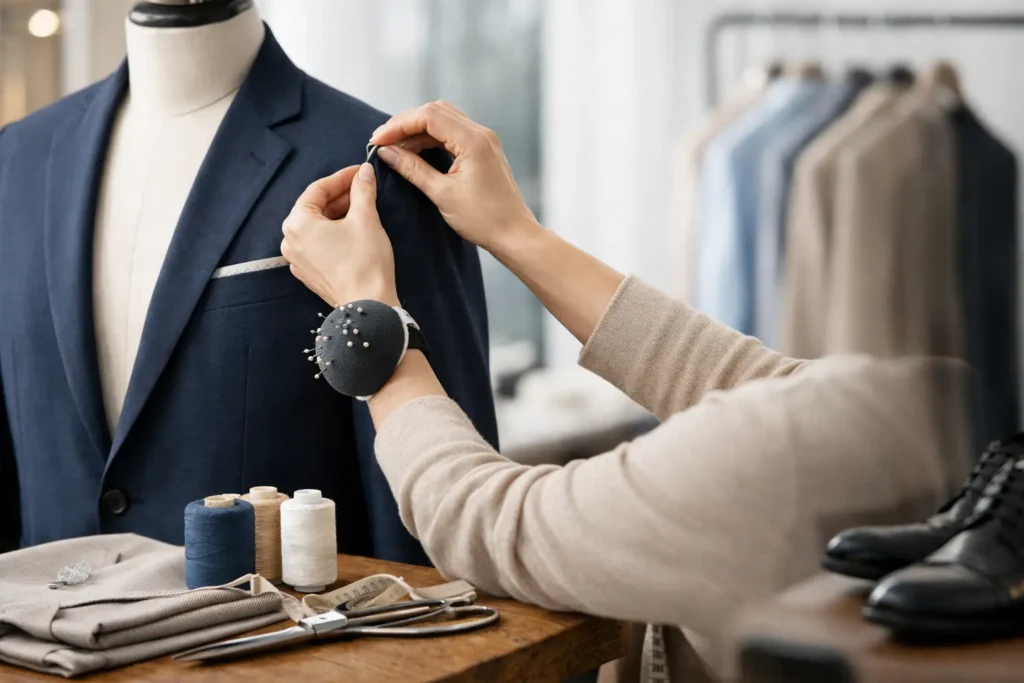
Fittings are part of that process. Pinning a garment on the body gives a more accurate result than guessing from measurements alone. You should also expect clear advice about timing, likely results and any limitations before work begins.
Craftsmanship shows in the details. Clean finishing, balanced hems, smooth lines and repairs that do not draw attention to themselves are all signs of careful work. The goal is not to make a garment look altered. It is to make it look like it always fit that way.
For Melbourne locals who value both precision and friendly service, this is where an experienced studio makes a real difference. AD Stitch is built around exactly that combination – expert clothing alterations with personal attention from fitting to finish.
Why tailoring makes sense now
There is a practical reason more people are rethinking what is already in their wardrobe. Replacing clothing is not always the best answer when the real problem is fit. Tailoring can help you get more wear out of quality pieces, reduce waste and make shopping less frustrating.
It also changes how you feel in your clothes. When trousers sit correctly, when a blazer closes neatly, when a dress follows your shape without pulling or sagging, you notice it. Comfort improves. Confidence improves. And the garment starts earning its place in your wardrobe.
That is the quiet value of a good tailor. Not dramatic reinvention, just thoughtful adjustments that make clothes work the way they should. If something in your wardrobe is nearly right, that is often more than enough to start with.