


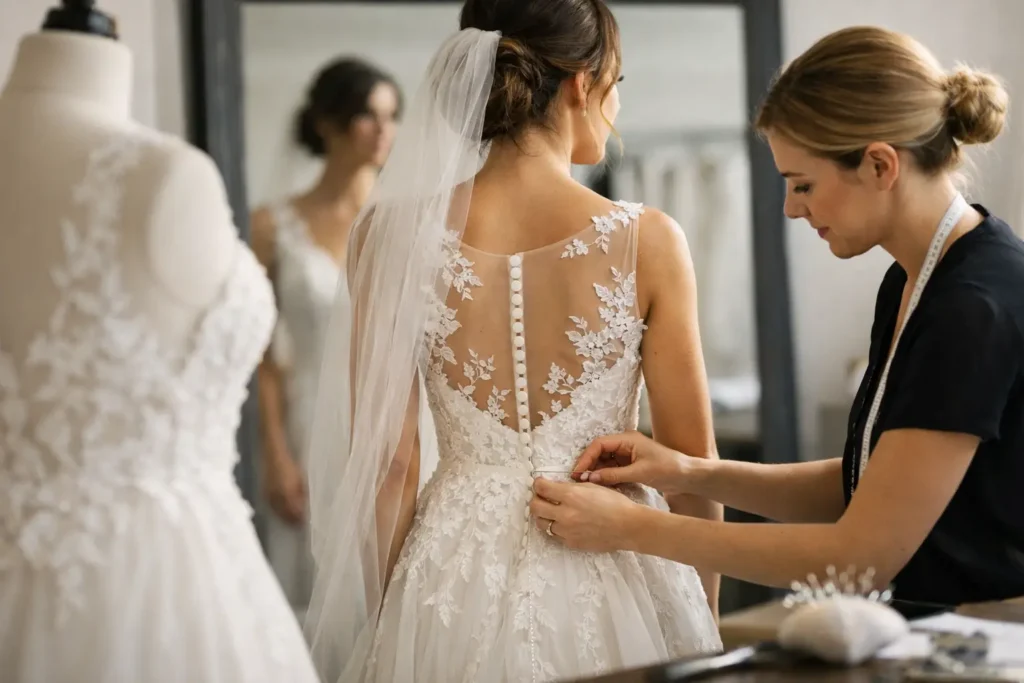
Last Minute Wedding Dress Alterations Melbourne
A wedding dress never seems to need altering at a convenient time. It is usually the week you are juggling final fittings, chasing vendors, confirming guest numbers and trying to get one decent night of sleep. If you are looking for last minute wedding dress alterations Melbourne brides can realistically rely on, the good news is that some changes can be done quickly – but the right approach matters.
Rush bridal alterations are possible, but they are not all equal. A simple hem or strap adjustment is very different from rebuilding a bodice, reshaping lace, or taking in several layers with heavy boning and beading. The fastest way to get a good result is to be clear about what needs changing, bring the right shoes and undergarments, and work with an experienced tailor who can tell you honestly what can be done well in the time available.
What counts as a true last-minute bridal alteration?
In practice, last-minute usually means anything from a few days to two weeks before the wedding. That is a tight window for a garment as complex as a wedding dress. Bridalwear is rarely constructed like everyday clothing. It often includes delicate fabrics, internal structure, multiple linings, cups, boning, lace appliqué, sequins or hand-finished details that need careful handling.
That is why speed should never come at the expense of fit or finish. A rushed job that twists the skirt, pulls at the bust or leaves the hem uneven will create more stress, not less. An expert alterations specialist will assess the dress properly, explain the trade-offs, and prioritise the changes that make the biggest difference to comfort and appearance.
Last minute wedding dress alterations Melbourne brides most often need
The most common urgent bridal requests are hems, side seam adjustments, strap shortening, bustle additions and small bust or waist refinements. These are often manageable within a shorter timeframe, depending on the dress construction.
Hems sound simple, but they can be time-consuming when the gown has multiple layers, horsehair braid, lace edging or a dramatic train. Even so, a proper hem is often the most valuable late-stage alteration because it affects how you walk, pose and dance. If your gown is too long, every step becomes something to think about.
Strap adjustments are another common fix. A gown that sits even slightly too low through the bodice can change how secure you feel all day. Tightening the straps or refining the shoulder fit may be enough to lift the neckline and improve support without changing the overall look of the dress.
Taking in the bodice or waist is also possible in many cases, but this depends on seam access, embellishment placement and the amount of adjustment needed. A gown that needs one or two centimetres taken in is usually a very different job from one that needs a full size reduction days before the ceremony.
Bustles are often left late, especially when the focus has been on the ceremony look rather than the reception. Adding a bustle lets you lift the train after photos and move more comfortably. It is a practical alteration, but it still needs to be placed carefully so the skirt falls neatly when hooked up.
What can be harder to rush
Major restyling is where timing becomes more difficult. Changing sleeves, reshaping the neckline, lowering or raising the back, reconstructing a corset bodice or resizing a heavily embellished gown all require more labour and more fittings.
Lace and beading can also slow everything down. If embellishments cross over seam lines, they may need to be removed and reapplied by hand. That adds time and precision work. The same goes for silk, fine mesh and structured satin, which can show every stitch and every pressure mark if handled poorly.
This does not mean the job cannot be done. It means the answer depends on the dress, the deadline and whether the work can be completed to a standard that still feels bridal, not rushed.
How to prepare for a rush fitting
If you need urgent alterations, the fitting itself becomes more important than ever. Bring the shoes you will actually wear, not a pair that is close enough. A hem measured with the wrong heel height can throw off the entire silhouette.
Wear or bring the undergarments you plan to use on the day, especially if the gown is fitted through the bust, waist or hips. Shapewear, a different bra, or no bra at all can change how the dress sits more than people expect.
It also helps to bring any accessories that affect structure, such as sleeves, overskirts or detachable straps. If someone else has been helping you pin or clip the dress at home, mention that too. Small details give the tailor a better picture of what the gown is doing and what needs correcting.
Most importantly, be ready to explain what feels wrong, not just what looks wrong. If you cannot lift your arms comfortably, if the bodice slips when you breathe deeply, or if the skirt catches under your shoes, say so. A bridal alteration is about movement and confidence as much as appearance.
Choosing a tailor for last minute wedding dress alterations Melbourne
When time is short, experience matters more than promises. A trusted local business with strong bridal alteration skills should be able to assess the gown quickly, identify risks and tell you what is achievable without guesswork.
Look for clear communication and realistic advice. If someone immediately says yes to every request without seeing the construction of the dress, that is not always reassuring. Professional tailoring is as much about judgement as technique. The right specialist will explain whether a change is straightforward, whether it may affect the design, and whether another option would be smarter under the deadline.
For Melbourne brides, convenience also matters. A local fitting can save valuable time, especially when you may need one more visit before collection. A service-led tailor who offers responsive communication can make the process feel much more manageable.
At AD Stitch, this kind of work is approached with the same focus as any other fine alteration – precision fit, honest guidance and careful finishing. That is especially important when the garment carries as much emotional and practical weight as a wedding dress.
What to expect at an urgent bridal fitting
An urgent fitting is usually more focused than a standard bridal timeline. The tailor will pin the key areas, check balance and hem length, assess how the dress sits on your body, and decide which changes will have the biggest effect.
You may not have the luxury of multiple rounds of refinement, so priorities matter. Sometimes the best result comes from doing fewer alterations very well instead of attempting every possible tweak. For example, correcting the hem and bodice support may do far more for the final look than chasing a minor cosmetic change in the back.
There is also the question of fabric behaviour. Some gowns relax after wear, while others sit differently once steamed. An experienced alterations specialist will take that into account and avoid overfitting a dress that still needs to survive sitting, walking, hugging and dancing.
A note on pricing and rush work
Rush alterations often cost more, and fairly so. They require schedule changes, faster turnaround and careful handling under pressure. The complexity of the gown still drives the price, but the deadline can affect it too.
That said, urgent does not always mean extreme. If the alteration is minor and the studio has capacity, the process may be more straightforward than you expect. The key is to ask early, even if your wedding is close. Waiting another few days rarely improves your options.
How to reduce stress when time is tight
The most helpful thing you can do is act decisively. Book the fitting as soon as you know there is a problem. Do not wait until the dress arrives from interstate, your shoes turn up, or your maid of honour is free to come with you. Those delays add up.
It also helps to focus on function. On the day, nobody will know if the gown sits 5 millimetres differently through one seam. They will notice if you look comfortable, stand confidently and move with ease. A well-executed alteration should support you, not give you another thing to think about.
If you are facing a very short deadline, trust professional advice and keep the goal simple: a dress that fits properly, feels secure and lets you enjoy the day.
Wedding timelines have a habit of tightening all at once, but a late alteration does not have to become a disaster. With skilled hands, clear communication and realistic expectations, even a rushed fitting can bring calm back into the process – and sometimes that is exactly what the dress needs.