


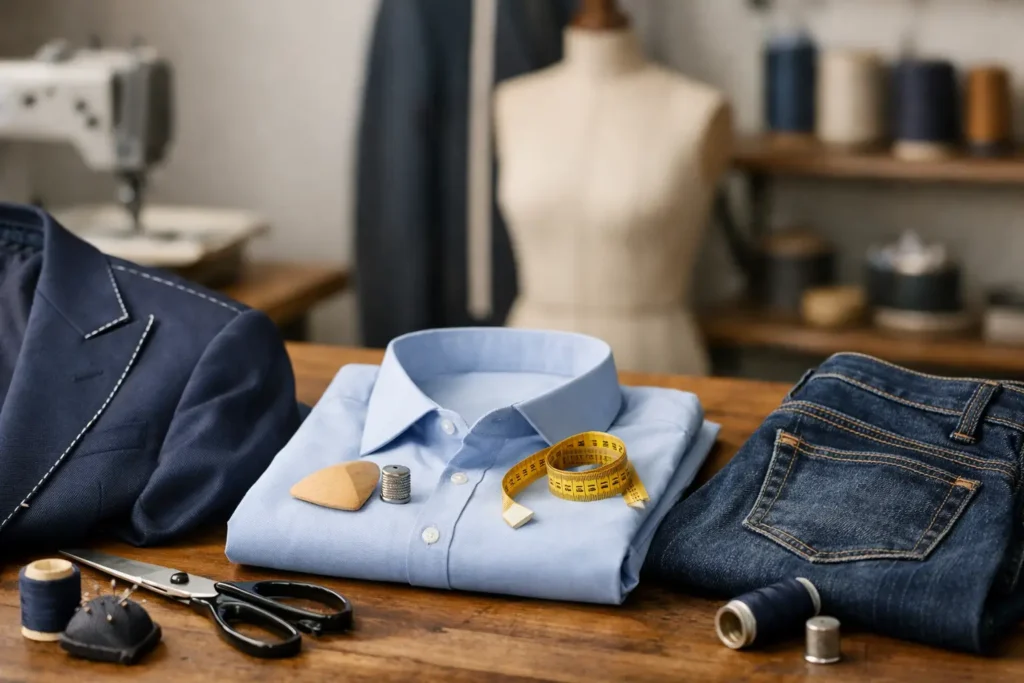
Best Garments for Tailoring Improvements
A jacket that sits neatly on the shoulders but feels loose through the waist is not a bad purchase. A dress with the right colour and fabric but straps that slip is not destined for the back of the wardrobe. The best garments for tailoring improvements are often the ones that are already close to right – and need skilled adjustment to become genuinely comfortable, flattering and easy to wear.
Tailoring is not only for formalwear or special occasions. A precise hem, a refined waistline or a corrected sleeve length can change how you feel in everyday clothes. The key is choosing garments with good foundations: quality fabric, sound construction and enough material for the alteration required.
What makes a garment worth altering?
Before deciding whether to alter an item, look beyond its size label. Fit varies widely between brands, and a number on the tag says little about how a garment works on your body. A well-made piece that fits well across its most difficult-to-change areas is usually the best candidate for tailoring.
Shoulders are the main example in jackets, coats and structured tops. Altering shoulder width is possible in some cases, but it is complex and can be costly. If the shoulders sit cleanly and the collar lies flat, adjustments through the chest, waist, sleeves and length are generally more straightforward.
For trousers, dresses and skirts, the best starting point is usually a comfortable fit through the hips or seat. Taking in a waist or refining the leg shape is often achievable. Letting out a garment depends on whether the maker left sufficient seam allowance inside. A professional tailor can inspect the seams and give an honest assessment before work begins.
Fabric also matters. Natural fibres such as wool, cotton, linen and silk often respond beautifully to careful tailoring. Quality denim can be reshaped and repaired for many more years of wear. Delicate fabrics, leather, heavily beaded garments and items with complex linings need specialised handling, but they can still be worthwhile when the garment has quality or sentimental value.
Best garments for tailoring improvements at a glance
Some garments deliver a more noticeable result than others. These are the pieces where a small adjustment can have a major effect on fit, comfort and confidence.
Suits and businesswear
A suit is one of the strongest investments in tailoring. Off-the-rack suits are designed for an average block, while real bodies have different shoulder slopes, arm lengths, waist positions and proportions. The right alterations can make a good suit look far more considered.
Trouser hems, waist adjustments, tapering and seat refinements are common improvements. Suit jackets can often be taken in through the waist, have sleeves shortened or lengthened, and be refined through the body. Sleeve length is particularly important: a well-fitted sleeve helps the whole jacket look intentional rather than borrowed.
There are limits. A jacket that is too tight across the chest, too narrow through the shoulders or drastically too small is unlikely to be the right tailoring project. It is better to begin with a jacket that closes comfortably and sits correctly at the shoulder line.
Dresses for work, evenings and events
Dresses are highly responsive to alteration because fit is visible from every angle. Common improvements include taking in the side seams, shortening the hem, adjusting straps, reshaping a neckline and refining the waist. These changes can help a dress sit smoothly without constant pulling, gaping or slipping.
Occasion dresses deserve particular attention. A dress chosen for a wedding, gala, school formal or milestone celebration should allow you to sit, walk and move comfortably. A fitting is useful because it reveals practical details that are easy to miss in a change room, such as a hem that catches at the stairs or a bodice that shifts when you raise your arms.
The complexity of the dress affects what is possible. A simple lined dress may allow several adjustments, while sequins, lace overlays, boning and beading require additional care and time. That does not make the work less worthwhile – it simply means the garment should be assessed early, well before the event date.
Wedding gowns and bridal party outfits
Wedding garments are made for tailoring. Even when a gown is ordered in a standard size, it is expected to be fitted to the wearer. Hem length, bodice support, strap placement, bust shaping and bustle construction all affect how the gown looks and feels through a long day.
Bridesmaid dresses, mother-of-the-bride outfits and formal suits also benefit from professional adjustment. Matching garments may need individual alterations so each person feels comfortable, while still preserving the intended overall look.
Timing matters more here than with most clothing. Book fittings with enough room for more than one appointment, especially if the garment has detailed lace, layers, a train or a structured bodice. Bring the shoes and undergarments you plan to wear on the day, as both can alter the hem and fit significantly.
Jeans, trousers and everyday favourites
Many people tolerate poor-fitting jeans because they assume denim cannot be tailored. In reality, a favourite pair can often be hemmed, tapered, repaired or adjusted at the waist. A clean hem that preserves the original look, or a leg shape that works better with your usual shoes, can make jeans feel new again.
Casual trousers, chinos and workwear are also excellent candidates. Hemming trousers to the right break, taking in a loose waistband or repairing worn seams is practical tailoring that makes a real difference to daily comfort.
For denim, start with the right fit through the hips and rise. Significant changes to the rise can affect pockets, seams and proportions, so they are less predictable than a hem or leg taper. A good tailor will explain the trade-offs before making any alteration.
Skirts, blouses and cultural garments
Skirts are often straightforward to improve through waist adjustments and hemming. A skirt that fits the hips but gaps at the waist can usually be reshaped for a cleaner line. Blouses may benefit from sleeve shortening, side-seam adjustments or neckline refinements, particularly when they are well made but slightly oversized.
Cultural and traditional garments deserve the same precision as any formalwear. Saree blouses, for example, rely on a secure, close fit through the bust, shoulders and sleeves while allowing comfortable movement. The best result comes from careful measuring, respectful attention to the garment’s design and an understanding of how it will be worn.
Coats, leather pieces and valued outerwear
A quality coat can last for years, making it a sensible item to alter or repair. Sleeve length, body width, lining repairs and button replacement may extend its useful life considerably. Because coats are often layered and structured, the work is more involved than a simple shirt alteration, but the result can be worthwhile for a premium piece.
Leather jackets, trousers and skirts require specialised equipment and experience. Leather does not behave like woven fabric: needle marks can remain visible, and each adjustment must be planned carefully. If the item fits well in the shoulders and through the main body, smaller refinements or repairs may be an excellent option.
When tailoring is not the best answer
Good tailoring improves proportion. It cannot always transform a garment that is fundamentally the wrong size, shape or fabric for the job. Very cheap fabrics may not withstand repeated unpicking, while heavily stretched elastic or damaged fibres may limit what can be repaired.
It is also worth considering the cost relative to the garment’s value. An inexpensive basic top may not justify complex reconstruction, but a well-cut wool jacket, a wedding gown, a favourite leather piece or a quality pair of trousers often will. Value is not only financial. Sentimental garments and hard-to-replace pieces can be worth preserving when the fabric and construction remain sound.
Bring the garment in clean, along with the shoes, belt or underlayers that affect how it sits. During a fitting, explain what bothers you rather than only asking for a standard alteration. Is the hem catching? Does the waist move when you sit? Are the straps falling? Clear details help your tailor focus on the result you need.
At AD Stitch, every alteration begins with looking at the garment, the fit and how you want to wear it. The right adjustment should not make clothing feel altered. It should make it feel like it was made for you.