


What Can a Professional Tailor Alter?
A jacket that pulls across the shoulders, trousers that pool at the ankles, or a dress that almost fits can all leave you feeling less confident than you should. So, what can a professional tailor alter? Far more than hems and loose buttons. With the right assessment, expert clothing alterations can refine the fit, restore wearability and help a well-chosen garment feel made for you.
The best result is not simply a smaller or shorter garment. It is a balanced fit that lets you move comfortably, sits correctly on your body and preserves the original style of the piece. Some alterations are straightforward; others require reshaping several areas so the final result looks intentional, not altered.
What can a professional tailor alter on everyday clothing?
Everyday garments are often the most rewarding pieces to alter because small adjustments make them easier to wear again and again. Jeans, workwear, casual dresses, shirts and skirts can usually be improved when the fabric is in good condition and the garment has enough allowance to work with.
Trouser, jeans and skirt alterations
Hemming is one of the most requested services, but it is not a one-size-fits-all job. The right length depends on the shoe you wear, the cut of the leg and whether the trousers are for work, casual wear or an event. A tailor can shorten trousers, jeans and skirts while retaining a clean finish. On jeans, an original-look hem may be possible where appropriate.
Waists can often be taken in or let out, particularly where there is seam allowance. A tailor may also adjust the seat, taper the leg, repair split seams, replace a zip or secure a loose hook and bar. If trousers fit in the waist but feel too full through the leg, tapering can give them a cleaner silhouette without buying a new pair.
Letting a garment out has limits. It depends on the amount of extra fabric inside the seams, the construction and whether the pattern will still sit correctly after the change. A professional tailor will be honest when an alteration would compromise the garment.
Shirt, blouse and casual top alterations
A shirt can look oversized for several reasons: the body may be too wide, the sleeves too long, or the shoulders may extend beyond your natural shoulder line. Taking in the side seams, shortening sleeves and refining cuffs can make a major difference. Blouses can also be shaped through the body, shortened, repaired or adjusted at the neckline.
Shoulder alterations are possible on some garments, but they are more complex than a side-seam adjustment. The collar, sleeve head and armhole all need to be reset correctly. This is a good example of why experienced tailoring matters: a quick fix in the wrong area can affect comfort and movement.
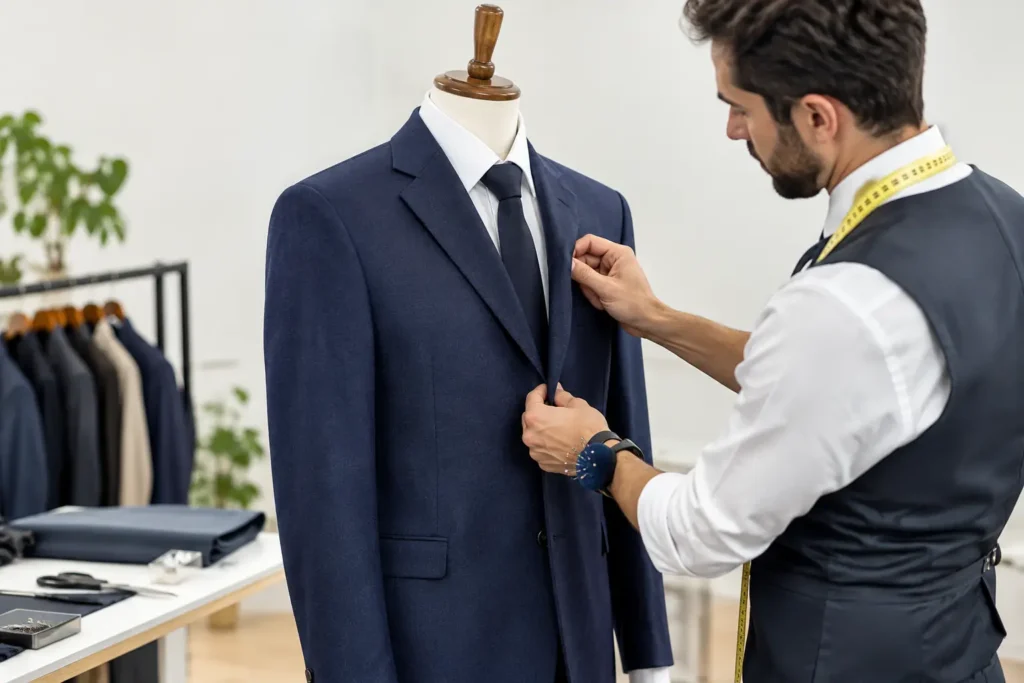
Suit alterations that sharpen your professional look
A suit is designed around proportion. When one part sits incorrectly, the whole outfit can appear untidy, even if the fabric is excellent. Professional suit alterations focus on keeping the jacket and trousers balanced while improving comfort and shape.
Suit trousers can be hemmed, tapered, adjusted at the waist and refined through the seat or crotch where suitable. Jacket sleeves can be shortened, the waist can be suppressed for a cleaner shape, and minor adjustments may be made to the centre back or side seams. Buttons, lining repairs and small damage can also often be addressed.
The shoulders are the foundation of a jacket. If they are significantly too wide or too narrow, the alteration can become labour-intensive and may not be cost-effective. Likewise, changing a jacket by several sizes can alter the position of pockets, buttonholes and lapels. A trusted local tailor will assess whether the work will give you a result worth investing in before proceeding.
For Melbourne professionals, a well-fitted suit is not about looking overdressed. It helps you feel composed in meetings, interviews, presentations and formal occasions. Often, a few precise changes to a good suit deliver better value than replacing it with an off-the-rack alternative.
Dress and wedding alterations require a careful approach
Dress alterations can range from a simple hem to detailed reshaping. A tailor can take in or let out side seams where fabric allowance permits, adjust straps, shorten a dress, reshape darts, alter sleeves and refine necklines. Formal dresses may also need bust support, bra cups, bustle points or discreet adjustments to make moving, sitting and dancing more comfortable.
Wedding gowns deserve particular care because their construction is often complex. Lace, beading, boning, tulle, layered skirts and delicate fabrics each need a different approach. Common wedding alterations include hemming layers, taking in the bodice, adjusting straps, adding a bustle and improving comfort around the bust or waist.
Timing matters for bridal work. It is wise to arrange fittings early enough to allow for careful adjustments, especially if the gown has detailed lace or embellishment. Bring your wedding shoes and the undergarments you plan to wear to the fitting. Those details affect the hem, support and overall line of the dress.
The same care applies to bridesmaid dresses, mother-of-the-bride outfits and special-event garments. The goal is to retain the garment’s intended design while ensuring you can wear it confidently for the full occasion.
Leather, repairs and specialist alterations
Leather garments and heavier materials require specialist handling. Leather cannot be treated like cotton or wool because every needle hole is permanent and the material may show marks from unpicking. Depending on the item, a tailor may be able to shorten sleeves, adjust seams, repair lining, replace zips or make other practical repairs. The garment needs to be inspected first to determine what is safe and achievable.
Repairs are often just as valuable as fit alterations. Replacing a broken zip, restitching a split seam, repairing a pocket, reattaching a button or patching a worn area can extend the life of a favourite piece. Repairing quality clothing is a practical choice: it reduces waste and keeps garments with sentimental or financial value in regular use.
Curtains can also be altered for a more polished finish at home. Shortening curtains, adjusting headings and making selected repairs can help them sit properly above the floor and suit a new room or window arrangement. As with clothing, the fabric weight, lining and existing construction guide what can be done.
What a tailor may not be able to alter
Expert workmanship can achieve a great deal, but not every garment is a good candidate for alteration. A piece that is too small through the shoulders, has no seam allowance, is badly weakened by wear or needs to change by multiple sizes may be difficult to alter well.
The fabric and construction matter too. Stretch fabrics, sequins, heavily beaded gowns, bonded materials and garments with unusual panels can require more time and specialised techniques. Sometimes the alteration is possible but costs more than the garment is worth. Other times, the best advice is to leave it as it is and choose a better-fitting replacement.
A fitting is where these decisions become clear. Your tailor can look at how the garment sits on your body, check the seam allowances and explain the likely outcome. Be clear about how you want to wear it, including the shoes, belt, shapewear or layers involved. That information helps create a fit that works in real life, not only in the fitting room.
Choose alterations that make clothes feel like yours
Professional tailoring is about more than changing measurements. It is about respecting the garment, understanding how fabric behaves and making considered adjustments that improve the way you look and feel. From a simple jean hem to a carefully fitted wedding gown, the right alteration can turn an almost-right item into a favourite.
At AD Stitch, every garment is assessed with the care it deserves, combining European tailoring heritage with friendly local service. Bring in the piece you have stopped wearing because it does not quite fit – it may be much closer to the right fit than you think.