


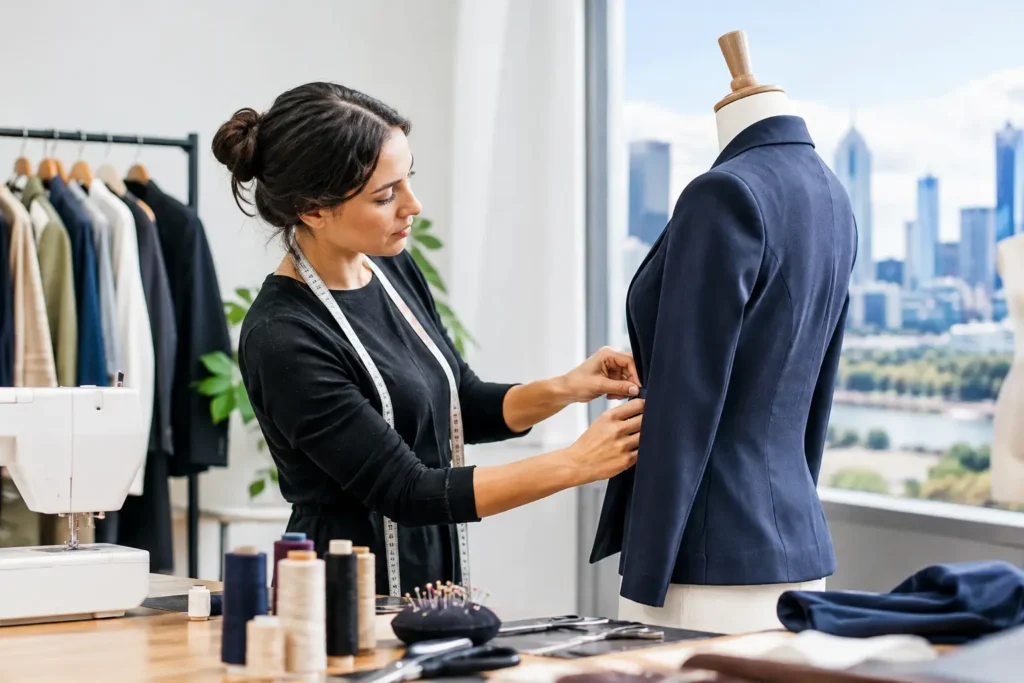
Clothing Alterations in Melbourne: Complete Guide
A jacket can be beautifully made and still sit poorly through the shoulders. A dress can be the right size on the label but gap at the bust or drag at the hem. This complete guide to clothing alterations in Melbourne explains how professional tailoring can turn those near-misses into clothes that feel comfortable, look considered and earn a regular place in your wardrobe.
Why a proper fit changes everything
Good alterations are not about making every garment tighter. They are about balance. The waist should sit where it is meant to, sleeves should finish at the right point, hems should work with your shoes, and the garment should allow you to move naturally.
A precise adjustment can make an off-the-rack suit look far more polished, give a favourite dress a second life or stop jeans from bunching around the ankles. It also makes practical sense. Repairing or reshaping a quality item is often better value than replacing it, particularly when the fabric, colour or construction is hard to find again.
The right alteration depends on the garment’s original cut, its fabric and the amount of spare material available in the seams. A skilled tailor will be honest when an adjustment is likely to work well, and when a different solution would give a better result.
Clothing alterations in Melbourne: what can be adjusted?
Most everyday garments can be improved with the right technique. Trouser hems, jean shortening, waist adjustments, sleeve shortening and minor repairs are common requests, but professional tailoring goes much further than a simple hem.
Suits and workwear
For suits, the priorities are usually jacket sleeves, trouser length, waist fit and the line through the seat and leg. Small changes have a noticeable effect in professional settings. A trouser break that is too long can make a suit look untidy, while sleeves that cover too much shirt cuff can make an otherwise good jacket feel oversized.
Jacket shoulders are more complex. They can sometimes be altered, but the work is detailed and may not be worthwhile on every garment. During a fitting, an experienced tailor can assess whether refining the body, sleeves and trousers will achieve the look you want without unnecessary work.
Dresses, skirts and casual clothing
Dress alterations often involve taking in the side seams, adjusting straps, reshaping a neckline or shortening the hem. The best solution considers how the dress sits while standing, walking and sitting. For a formal dress, bring the shoes and undergarments you plan to wear on the day. Even a small change in heel height can alter the correct hem length.
Casual pieces deserve the same care. Jeans can be shortened while keeping their original-style hem, shirts can be shaped through the body, and skirts can be adjusted at the waist or length. These are the garments you wear most, so a better fit can have an immediate impact.
Wedding and occasionwear
Wedding alterations need additional planning because bridal gowns can involve several layers, delicate lace, boning, beading or intricate closures. Most gowns require more than one fitting, especially if the bodice, hem and bustle all need attention. Start early enough to allow for careful work and final adjustments closer to the event.
The same applies to bridesmaid dresses, mother-of-the-bride outfits and eveningwear. Avoid leaving special-occasion alterations to the final week where possible. Rushed work limits the time available for fitting, refinements and any unexpected changes.
Leather, curtains and specialised garments
Leather requires different tools and handling from standard fabrics. Needle marks can be permanent, so each adjustment must be planned carefully. Curtain alterations also call for accurate measuring, especially when matching a drop, lining or heading style.
Cultural garments such as saree blouses may need specialist shaping around the neckline, sleeves and bust. Bring the garment in for assessment rather than assuming a standard alteration will suit it. The construction and finish matter as much as the measurement.
Alter, repair or replace?
An alteration is usually worthwhile when the garment is well made, in good condition and close to fitting already. Quality wool suits, structured dresses, favourite denim and leather pieces often respond very well to professional adjustment. Sentimental value matters too. If you love an item and it needs a considered repair, restoring it can be far more satisfying than starting again.
Replacement may be the better option when fabric is badly worn, seams have little allowance, or the garment needs major reconstruction to fit. A thoughtful tailor should explain these trade-offs plainly. The goal is not to sell the biggest alteration, but to help you make a sound decision.
Repairs sit between the two. Replacing a zip, reinforcing a split seam, patching a worn area or reattaching a button can add years of wear. Bring repairs in before the damage spreads. A small loose seam is generally easier to fix than a tear that has pulled through the fabric.
What happens at a tailoring fitting?
A fitting is where accuracy begins. Wear the garment as you normally would, or bring the shoes, belt, bra or shapewear that will affect the final fit. Your tailor will look at the garment from all angles, ask how you want it to feel and pin or mark the required changes.
Be clear about the outcome you want. Do you prefer a slim trouser leg or a more relaxed line? Do you need room to sit comfortably at work? Is a dress for a full day of celebrations, or a short evening event? These details guide the adjustment.
Before you leave, confirm the collection date and ask any questions about care. If your weight is changing for a wedding or event, mention it at the first fitting. It may be sensible to complete certain alterations later, while allowing enough time for quality finishing.
How to choose a tailor you can trust
Look for a business that listens before making promises. Tailoring is individual work, and a reliable specialist will assess the garment, explain the approach and set realistic expectations for timing and finish.
For the best experience, consider these practical points:
- Ask whether the tailor regularly handles your garment type, particularly bridalwear, leather or formal suits.
- Check that the fitting allows time to discuss comfort as well as appearance.
- Confirm the turnaround before committing, especially for an upcoming event.
- Choose clear communication over vague assurances about what can be done.
Local convenience matters when fittings or follow-up adjustments are needed, but craftsmanship should remain the deciding factor. At AD Stitch, customers can bring garments to the Heidelberg studio for personal assessment, from everyday repairs through to detailed formalwear alterations.
Preparing your garment for the best result
Clean garments are easier to inspect and work on, particularly when hemming, repairing or reshaping. Empty pockets, remove detachable accessories where practical and bring matching components, such as a belt or jacket, if they affect the fit.
For a hem, always bring the shoes you expect to wear most often with the item. For a wedding gown or fitted dress, bring the correct undergarments. These small preparations reduce guesswork and help ensure the finished garment works in real life, not just on the fitting floor.
Care after alterations
Once a garment has been adjusted, follow its care label and avoid overwashing it. Hang suits on supportive hangers, store dresses away from direct sunlight and address small repairs promptly. A well-fitted garment that is cared for properly can remain a dependable part of your wardrobe for years.
The best alteration is one you stop noticing. Your clothes simply sit better, move with you and make getting dressed feel easier. A short, careful fitting can be the difference between leaving a garment in the cupboard and wearing it with confidence.