


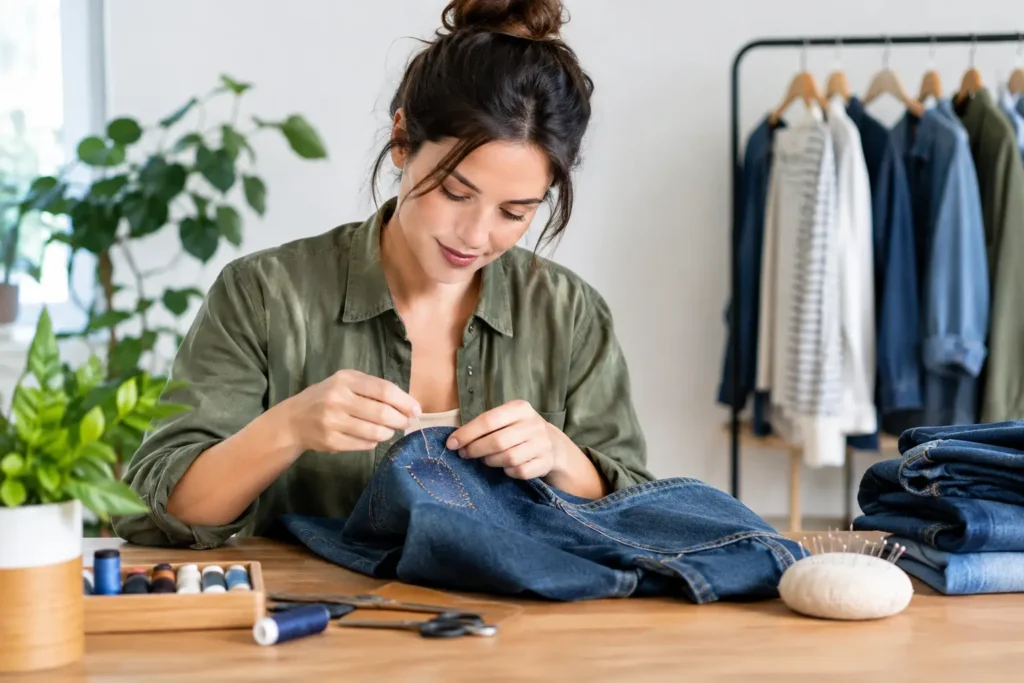
Clothing Repair Trends Australia Is Wearing Now
A blazer that fits beautifully through the shoulders but pulls at the waist is not a lost cause. Nor are jeans with a worn inner thigh, a dress with a broken zip, or a leather jacket with a torn lining. The clothing repair trends Australia is seeing point to a practical shift: people are looking at what they already own and asking whether a skilled repair or alteration could make it wearable again.
For Melbourne customers, this is less about chasing a passing fashion idea and more about getting better value from clothes that matter. A well-made garment often has plenty of life left in it. With the right repair, adjustment or refit, it can feel comfortable, look considered and earn its place in the wardrobe for years to come.
Clothing Repair Trends Australia Is Embracing
The strongest trend is not simply mending. It is making existing clothing work harder. Australians are repairing favourite pieces, altering second-hand finds, updating older garments and investing in quality items that can be maintained rather than discarded.
This reflects a more thoughtful approach to buying. When fabric, construction and fit are good, replacement is not always the sensible answer. A repair can be more economical than purchasing a comparable new garment, particularly for suits, formal dresses, wool coats, leather pieces and occasionwear. It also avoids the familiar frustration of finding something new that is almost right but never quite fits.
There is an environmental benefit too, but the decision is usually personal first. People repair the jeans that already fit perfectly, the dress that has memories attached to it, or the suit that still looks sharp but needs attention after years of wear. Good tailoring protects both the garment and the confidence it gives its owner.
Repair Is Becoming Part of Good Wardrobe Care
Clothing repairs used to be viewed as a last resort – something to organise only when a button fell off or a hem came undone before an event. Now, customers are increasingly treating repairs as routine wardrobe maintenance.
Small issues are being addressed earlier. A loose seam, damaged zip, worn pocket lining or fraying hem is easier to repair before it becomes a larger problem. This is especially true for garments that receive regular wear, such as work trousers, school uniforms, denim, coats and everyday dresses.
Professional repairs also tend to look better and last longer than a quick temporary fix. The aim is not merely to hold a garment together. It is to reinforce the area appropriately, match the original finish where possible and preserve the way the item sits on the body.
The return of invisible, careful repairs
Many customers want repairs that are discreet. They do not want a visibly patched hem or a zip replacement that changes the look of a dress. They want the garment returned looking neat, balanced and ready to wear.
That takes judgement. A repair that is suitable for casual denim may not be appropriate for delicate silk, tailored wool or leather. Fabric weight, stretch, lining, stitching and the location of damage all influence the best solution. In some cases, an obvious repair can become a design feature. In others, a near-invisible finish is worth prioritising.
Second-Hand Finds Are Driving Alterations
Pre-loved shopping has become a major reason people visit a tailor. Op shops, vintage stores, resale platforms and hand-me-down wardrobes offer unique pieces and often better fabric quality than low-cost new clothing. The trade-off is fit.
A vintage blazer may have excellent structure but sleeves that are too long. A second-hand dress may be perfect in colour and fabric but need the straps shortened, bodice taken in or hem raised. A quality pair of trousers might need the waist adjusted to suit a different body shape.
Alterations can turn a good find into a garment that feels chosen specifically for you. However, not every item is worth altering. Major changes to heavily beaded fabrics, very delicate materials, garments with limited seam allowance or inexpensive pieces with poor construction can be more complex than expected. An experienced tailor can assess what is achievable before work begins and explain the likely result.
Fit matters more than the label
This is one of the clearest shifts in how people shop. Customers are becoming less focused on the number on the tag and more focused on how a garment fits in real life. A size can vary significantly between brands, and bodies do not follow standard measurements.
A precise adjustment at the waist, bust, shoulders, sleeve length or hem can change the whole appearance of a garment. Clothing sits more cleanly, moves more comfortably and looks more polished. For professionals, that can make a meaningful difference to how they feel in meetings, presentations and everyday workwear.
Occasionwear Is Being Reworked, Not Replaced
Wedding guest dresses, bridesmaid gowns, suits and formalwear are often bought for one significant event, then left unworn because the fit is uncomfortable or the style feels too specific. Repair and alteration services are helping customers bring those pieces back into rotation.
A formal dress can be shortened for future events, reshaped for a better fit or repaired after a celebration. A suit can be adjusted after weight changes, refreshed with lining repairs or refined to achieve a more contemporary silhouette. Wedding garments may require careful alterations before the day, then preservation-minded repairs afterwards.
The best outcome depends on the garment. A classic wool suit usually offers more alteration potential than a heavily glued, low-cost jacket. Dresses with generous seam allowance are generally easier to take out than those cut very close to the body. Early assessment is especially valuable for bridal and event clothing, where fabric and timing leave little room for error.
Leather Repairs Are Gaining Attention
Leather jackets, skirts, trousers and bags remain popular because they develop character with wear. But leather cannot be treated like ordinary fabric. A tear, worn seam or damaged lining needs considered handling, as needle marks can be permanent and unsuitable stitching can weaken the material.
Rather than replacing a well-loved leather jacket, customers are choosing to repair linings, restitch seams, replace broken fastenings and address minor damage while it is still manageable. This makes sense for quality leather, which can outlast many other wardrobe items when properly cared for.
The same principle applies to specialist garments. Delicate pieces, tailored coats and culturally significant clothing deserve a repair approach that respects their construction and purpose. A careful consultation helps ensure the method suits the item, rather than applying a one-size-fits-all solution.
Convenience Still Matters
Australians may be more willing to repair clothing, but they still need the process to be straightforward. Clear advice, realistic turnaround times and an accurate understanding of the work required are central to a good tailoring experience.
For urgent jobs, a quick repair may be possible when the work is simple and capacity allows. But complex alterations should not be rushed at the expense of quality. A wedding dress, lined jacket or leather garment often needs more than one fitting or careful preparation to produce a finish that looks right. The most reliable approach is to bring important items in as early as possible.
It also helps to arrive with the shoes, undergarments or accessories you plan to wear with the garment. These details affect hem length, posture and how clothing sits. For a suit, the correct shirt and shoes matter. For a formal dress, the right bra and heels can change the fitting entirely.
What This Means for Your Wardrobe
The lasting appeal of clothing repair is simple: the right garment is worth looking after. Repairs keep trusted pieces wearable, while alterations make clothes feel more like they were made for you. That balance of practicality, quality and personal style is why repair is becoming a regular part of wardrobe care rather than an afterthought.
At AD Stitch, careful repairs and expert clothing alterations are approached with the same goal – helping each garment fit better, wear longer and give you confidence when you put it on. Before sending a favourite piece to the back of the cupboard, it is worth having it assessed. A thoughtful repair may be all it needs to become a favourite again.