


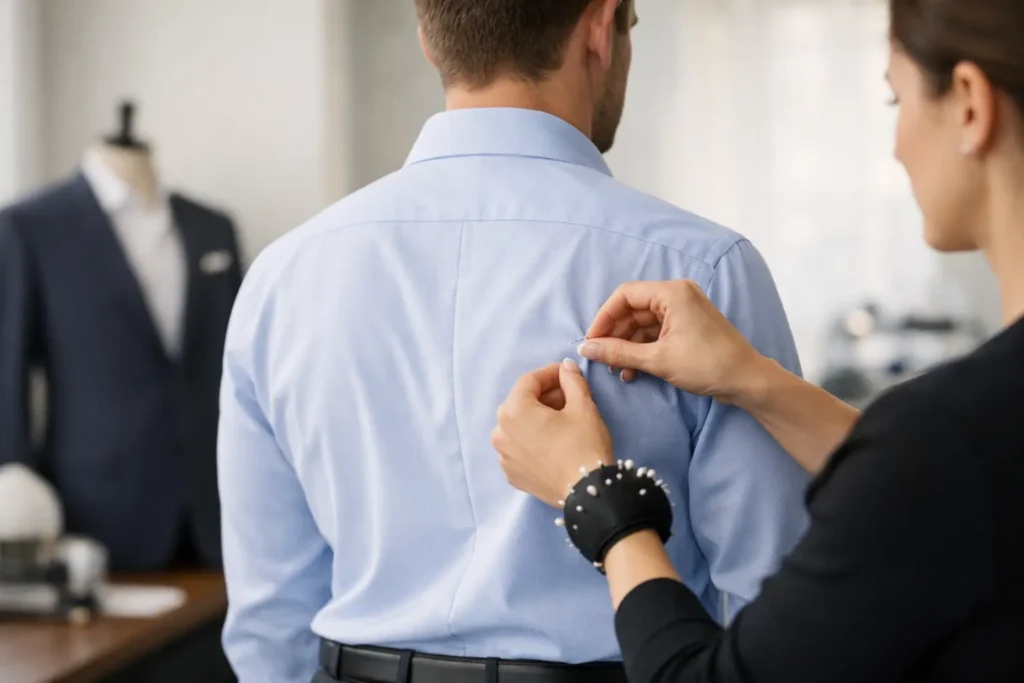
Shirt Resizing Melbourne for a Better Fit
A shirt that is too large can make an otherwise polished outfit look untidy. Excess fabric balloons at the back, sleeves sit past the wrist, and the collar can feel disconnected from the rest of your frame. With professional shirt resizing Melbourne services, a quality shirt can be reshaped to sit closer, feel more comfortable and look like it was chosen for you from the start.
Resizing is not simply a matter of taking in a few seams. A well-fitted shirt needs balance across the shoulders, chest, waist, sleeves and collar. The best alteration approach depends on where the shirt is too large, how it is constructed and how you want to wear it.
What can be altered on an oversized shirt?
Most shirts offer more adjustment potential than people expect. Whether it is a work shirt, a favourite casual button-up or a formal shirt for a special event, a skilled tailor can assess the garment and recommend changes that improve its proportions without compromising comfort.
Taking in the side seams is one of the most common alterations. This removes excess width through the body, giving the shirt a cleaner line from underarm to hem. For someone who finds that a standard shirt fits across the shoulders but feels boxy through the waist, this is often the most effective adjustment.
Sleeves can also be narrowed when they appear overly loose, particularly on dress shirts worn under a jacket. Sleeve length can usually be shortened from the cuff, preserving the sleeve shape and allowing the cuff to finish neatly at the wrist. On casual shirts, the hem may also be shortened if it hangs too low or looks untidy when worn untucked.
Darts are another useful option. These are carefully placed seams, often at the back of the shirt, that remove fullness while maintaining room through the chest. They can create a more tailored shape without making the garment feel restrictive.
Shirt resizing Melbourne: where fit matters most
The shoulders are the key consideration in shirt resizing. If shoulder seams extend well beyond your natural shoulder line, the shirt may be difficult to resize convincingly. Altering shoulders involves rebuilding the upper part of the garment, then resetting the sleeves so they hang correctly. It is highly technical work and, depending on the shirt’s value and construction, may not always be the most economical choice.
A shirt that is only slightly broad in the shoulders can sometimes be improved with adjustments through the body and sleeves. However, if it is several sizes too large, the finished result may never have the balance of a shirt that began closer to your size. An honest fitting appointment should make this clear before any work begins.
The collar is another area where careful judgement matters. A loose collar can sometimes be improved, but reducing it significantly is more complex than taking in the body. The collar, collar stand, button placement and neckline all work together. If the neck size is wrong but everything else fits well, it may be worth discussing the options with an experienced tailor rather than assuming the shirt cannot be saved.
Why professional resizing looks different
A shirt can be taken in at home, but a small error in one area can affect the entire garment. Uneven side seams can cause the shirt to twist. Sleeves that are narrowed without considering the armhole can limit movement. A hem shortened without matching the original curve can look obviously altered when worn untucked.
Professional shirt resizing begins with seeing the garment on your body. A tailor can pin the excess fabric, identify whether the issue is width, length or proportion, and allow for how you sit, reach and move throughout the day. This is especially valuable for business shirts, where a close fit still needs to be comfortable from the morning commute through to a long meeting.
Attention to finishing also matters. Original details such as cuffs, plackets, buttons and hem shapes should be retained where possible. The aim is not merely to make the shirt smaller. It is to create a result that looks intentional and wears well over time.
Is it worth resizing your shirt?
It depends on the quality of the shirt and the alteration required. A well-made cotton shirt, a premium linen style, a sentimental garment or a shirt that is otherwise difficult to replace is often worth considering for resizing. The same applies to shirts bought on sale in a larger size when the shoulders are reasonably close to correct.
For a basic shirt that is several sizes too big, purchasing a better starting size may be more practical. The cost of complex resizing can exceed the value of a low-priced garment, particularly when shoulder reconstruction or major collar work is involved.
It is also worth considering fabric condition. Shirts with thinning cuffs, worn collars or fabric damage around the underarms may not be the best candidates for extensive work. In some cases, repairing a collar or cuff at the same time as resizing can extend the shirt’s life. In others, the more sensible choice is to retire the garment and invest in one that will serve you better.
Preparing for a shirt fitting
Bring the shirt freshly washed and, if possible, wear or bring the undershirt you would normally use with it. This helps the fitting reflect how the shirt will actually sit in daily wear. If you usually wear the shirt with a suit jacket, mention this too. A shirt that feels right on its own may need a slightly different sleeve or body fit beneath a jacket.
Be clear about the look you prefer. A fitted shirt does not need to be tight. Some clients want a sharper silhouette for office wear, while others prefer enough ease for relaxed weekend use. Your height, posture and usual styling all influence the ideal result.
During the fitting, move naturally. Raise your arms, sit down and bend slightly. The right alteration should reduce excess fabric while keeping you comfortable. If buttons pull across the chest or back, the shirt has been taken in too far. Good tailoring always considers wearability alongside appearance.
Common shirt resizing mistakes to avoid
Buying shirts much too large because they are discounted can create more work than value. A size up may be manageable when the shoulders still sit close to where they should. Two or three sizes up often creates problems that cannot be solved with simple side-seam adjustments.
Another common mistake is asking for an extremely slim fit without considering the fabric. Crisp poplin and stretch cotton behave differently from soft linen, flannel or heavier Oxford cloth. Linen, for example, is designed to have a relaxed quality and may feel uncomfortable if reshaped too closely.
Finally, do not wait until a shirt becomes an occasional wardrobe regret. If you repeatedly leave it hanging because it feels too loose, too long or poorly proportioned, a considered alteration may turn it into a regular favourite again.
A better fit starts with an honest assessment
At AD Stitch in Heidelberg, each shirt is assessed individually, with practical advice on what can be altered and what will give the best value. European tailoring knowledge, careful fittings and precise finishing help ensure your shirt looks refined rather than simply reduced in size.
A shirt should support your day, not distract you with loose sleeves, excess fabric or an awkward hem. Bring in the garment you want to wear more often, discuss the fit you have in mind, and let an experienced tailor help you decide whether resizing is the right next step.