


Wedding Dress Alteration Melbourne Tips
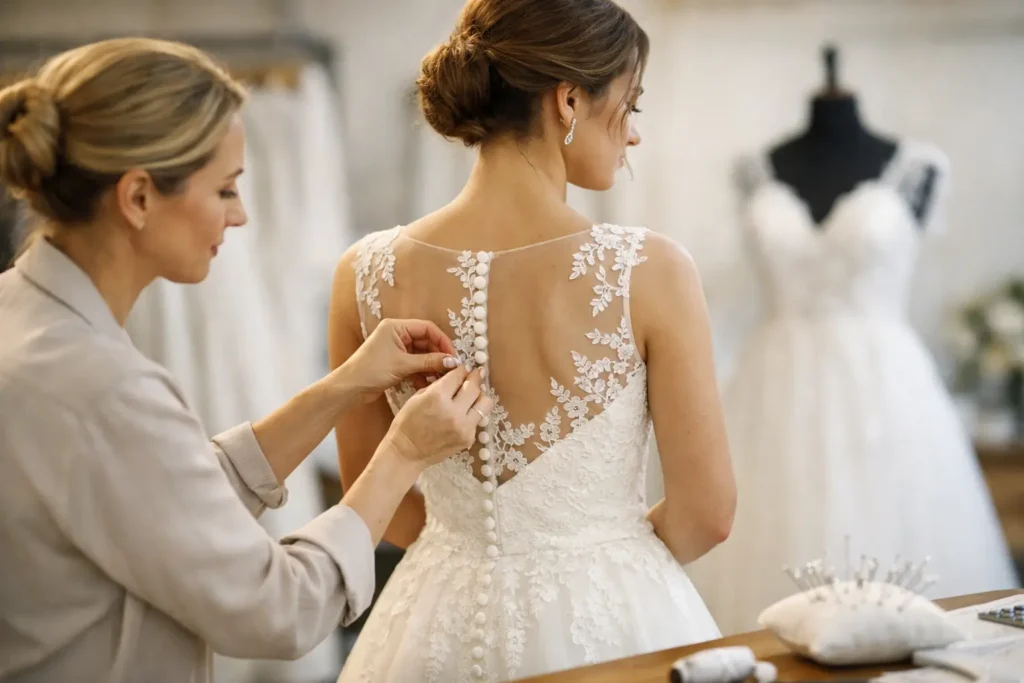
The first fitting usually tells the truth. A gown that looked perfect on the hanger can suddenly feel too long, too loose through the bodice, or awkward across the hips once it is actually on your body. That is why wedding dress alteration Melbourne brides book early is not a luxury – it is the step that turns a beautiful dress into your dress.
A wedding gown is different from everyday clothing. The fabrics are often delicate, the structure is more complex, and the standard for fit is much higher. On your wedding day, you are standing, walking, sitting, hugging, dancing and being photographed from every angle. A dress that is slightly off in fit can affect your comfort, movement and confidence for the entire day.
Why wedding dress alteration Melbourne brides choose matters
Not all alteration services are the same. Formalwear, and especially bridalwear, needs a careful eye and experienced hands. Lace placement, boning, layered skirts, built-in cups, beading and hems all require different techniques. A rushed or overly aggressive alteration can change the balance of the gown or damage details that cannot easily be replaced.
This is where craftsmanship matters. An experienced tailor does more than pin fabric. They assess how the gown sits on your frame, where support is needed, how the fabric behaves, and what can realistically be changed without compromising the design. Sometimes the best result comes from multiple small adjustments rather than one major one.
That is also why brides should be cautious about choosing purely on price. Cost matters, of course, but wedding alterations are one of those services where precision has a direct impact on the final result. A cheaper option can become expensive very quickly if mistakes need correcting.
What can usually be altered on a wedding dress?
Most wedding gowns can be adjusted in key areas to improve fit and wearability. Common changes include taking in or letting out the bodice, shortening straps, adjusting sleeves, reshaping cups, hemming the skirt and creating or refining a bustle. These are standard requests, but the complexity varies from dress to dress.
A simple satin gown with clean lines may be quite straightforward to alter. A fitted gown with heavy embellishment, layered tulle and detailed lace appliqué is usually more labour-intensive. Even hemming can become a detailed job when there are multiple layers, horsehair braid, crinoline or hand-finished edging involved.
Some changes are possible in theory but not ideal in practice. Significant resizing, major neckline redesigns or converting the whole silhouette can be done in some cases, but it depends on seam allowance, fabric behaviour and construction. A good bridal tailor will be honest about what is achievable and what may affect the original look of the gown.
When to book your fittings
Timing makes a real difference. The safest approach is to book your first fitting well before the wedding, especially if your dress has intricate construction or you need several changes. Leaving alterations too late limits your options and can add unnecessary stress to an already busy period.
In most cases, brides benefit from starting the process a few months before the wedding date. That allows enough time for initial adjustments, follow-up fittings and final refinements closer to the day. If your weight, shoes or undergarments are still undecided, your tailor may recommend waiting until a few details are confirmed before completing certain alterations.
The final fitting is especially important. Your gown should be checked when you are close to your wedding day, with the correct shoes and the undergarments or support pieces you plan to wear. Small changes in height, posture and support can affect hem length and bodice fit more than many people expect.
How many fittings should you expect?
There is no single answer because every dress and every body is different. Some gowns need only one main fitting and one final check. Others require two or three rounds of careful adjustment, particularly if the bodice needs detailed shaping or the skirt has many layers.
A proper fitting process should never feel rushed. The first appointment is usually about assessing the dress, pinning the main changes and discussing what is needed. Later fittings refine the result. Bridalwear is about precision, and precision often happens gradually.
If your gown has sentimental value, vintage construction or fragile fabric, extra care may be needed. In those cases, a slower and more thoughtful process is usually the right one.
What to bring to your wedding dress fitting
Preparation helps your tailor give you the most accurate result. Bring the shoes you plan to wear, or at least a pair with the same heel height. Bring your wedding undergarments if you have them, especially if the gown is fitted through the bust or waist. If you are wearing shapewear, a specific bra, cups or any support garment, it should be part of the fitting process.
If you plan to wear a veil or particular accessories, those do not always need to be at the first appointment, but they can still be useful later. Most importantly, bring enough time. A bridal fitting is not something to squeeze into a rushed lunch break if you want a careful result.
The fit should look good and feel right
A common mistake is focusing only on how the dress looks when standing still. Your gown also needs to work in motion. Can you sit down comfortably? Can you walk naturally? Can you lift your arms to hug people? Can you dance without constantly adjusting the bodice?
A skilled alteration specialist will consider all of that. Support through the bodice should feel secure without digging in. The hem should clear the floor properly once shoes are on. A bustle should hold the train neatly without distorting the back of the dress. These details sound small, but they shape how relaxed you feel on the day.
This is especially true for structured dresses. A gown can appear fitted in the mirror but still shift, slip or pinch once you move. Good alterations aim for balance – polished appearance, reliable support and practical comfort.
Wedding dress alteration Melbourne brides often underestimate
The hem is one of the most underestimated parts of bridal alterations. People often assume it is a quick trim, but bridal hems can be among the most detailed jobs in the entire gown. Multiple layers, lace edges, beaded sections and horsehair finishes all affect how the hem must be handled.
Bustles are another detail that deserve more attention than they often get. If your dress has a train, you will likely want a way to lift it for the reception. A bustle should be secure, discreet and appropriate to the style of the gown. There is no one-size-fits-all solution. What works beautifully on a soft A-line gown may not suit a fitted crepe dress or a dramatic full skirt.
Then there is the bodice. This area usually matters most because it affects support, posture and overall shape. A gown that is slightly loose through the bodice can feel distracting all day, even if everything else looks fine. Precise shaping through the bust, waist and back is often what transforms the dress.
Choosing the right tailor for your gown
You want someone who treats bridalwear with care, explains the process clearly and gives realistic advice. Good service is not only about technical skill. It is also about communication. You should understand what changes are being recommended, how many fittings may be needed and whether there are any limitations with the gown.
A trusted local business with experience across dressmaking and alterations often brings an advantage here. Bridal gowns require specialist handling, but broad tailoring knowledge also matters because each dress presents different construction challenges. At AD Stitch, that approach is grounded in expert clothing alterations, personalised service and craftsmanship shaped by European tailoring standards.
Trust your instincts during the first appointment. If the process feels rushed, vague or dismissive, that is worth paying attention to. Brides deserve careful work and clear guidance, especially when the garment is one of the most important pieces they will ever wear.
What affects the cost?
Pricing depends on the design of the gown, the number of layers, the fabric, embellishment and the type of changes needed. A straightforward strap adjustment will not cost the same as reshaping a beaded bodice and hemming several layers of tulle.
This is where transparency matters. A professional quote should reflect the work involved, not guesswork. It should also account for the fact that bridal alterations are skilled labour. Hand-finishing, lace repositioning and detailed fitting work take time. If a quote seems unusually low, it is fair to ask exactly what is included.
The goal is not simply to alter the dress. The goal is to achieve a result that looks refined, feels secure and honours the design you fell in love with in the first place.
A wedding gown should never feel like a compromise you are managing your way through. With the right alterations, it becomes something you can wear with ease, move in comfortably and remember for all the right reasons.