


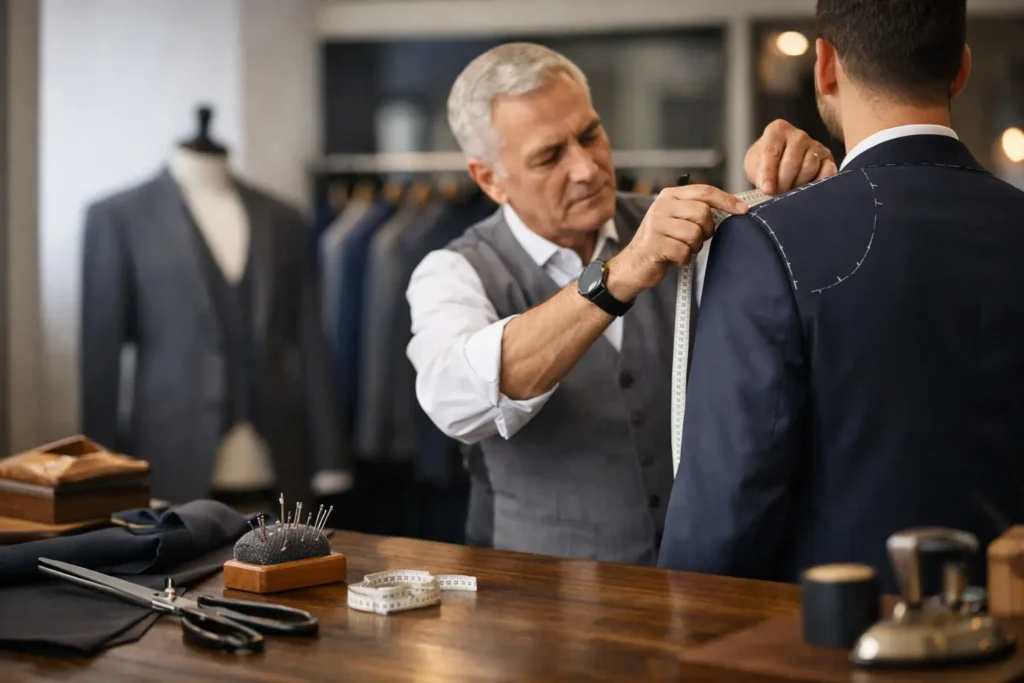
Tailoring Services Melbourne: What to Expect
A jacket that pulls across the shoulders, a dress that sits awkwardly at the waist, trousers that break in the wrong spot – these are small fit issues that change how a garment looks and feels. That is why tailoring services Melbourne customers rely on are not just about shortening hems or taking in seams. They are about making clothes work properly for the person wearing them.
When tailoring is done well, the result is subtle. Your suit sits cleaner. Your dress feels more balanced. Your favourite jeans stop bunching at the ankle. You look more polished, but just as importantly, you feel comfortable. That is the real value of professional alterations.
Why tailoring services Melbourne customers use still matter
A lot of clothing is made to fit as many people as possible, which usually means it fits no one perfectly. Standard sizing can get you close, but close is not the same as right. Even premium brands often need adjustment through the waist, sleeve, hem or shoulder to sit the way they should.
That matters for workwear, occasionwear and everyday pieces alike. A business suit that fits properly gives a sharper, more confident impression. A formal dress with the right hem and bust fit is easier to wear for hours. Even a simple shirt feels better when the sleeves and body are proportioned to you rather than to a generic size chart.
There is also a practical side to tailoring. Alterations help extend the life of garments you already own. Instead of replacing a quality item because the fit has changed or a seam has worn out, you can often restore it and keep wearing it. For many people, that is not only more economical but also a smarter way to reduce waste.
What a good tailor actually helps with
People often think of tailoring as a narrow service, usually linked to suits. In reality, experienced alteration specialists handle a much broader range of clothing and household textiles.
Everyday clothing alterations
This is where many customers start. Jeans need hemming, work trousers need tapering, shirts feel too loose through the body, or a skirt needs taking in at the waist. These are common jobs, but they still require careful measurement and finishing if you want the garment to look natural rather than obviously altered.
A good result should preserve the original line of the piece. On denim, that may mean keeping the original hem where possible. On tailored pants, it means getting the break right with the shoes you actually wear. Small details like these are what separate expert work from a quick fix.
Suit and jacket adjustments
Suit alterations are more technical because structure matters. Trousers can often be adjusted more easily through the waist, hem and leg line, while jackets may require more considered work through sleeves, side seams or overall balance.
Not every change is equally simple. Taking in a jacket slightly for a cleaner silhouette is usually realistic. Changing the shoulders dramatically is often more complex and may not be worth doing depending on the garment’s construction. An honest tailor will tell you where the value is and where it is not.
Dress and occasionwear alterations
Special event clothing has higher stakes. Whether it is a cocktail dress, bridesmaid dress or outfit for a formal celebration, fit issues become obvious when you are wearing the garment for an entire day or evening.
Dress alterations often involve bust shaping, waist adjustment, hem length and strap refinement. Fabric also matters. Delicate materials, beading, lace and layered linings need experienced handling, because one change can affect the whole drape of the garment.
Wedding garment tailoring
Bridal and wedding alterations need time, precision and clear communication. A wedding dress may need multiple fittings, especially if the bodice, hem and bustle all require adjustment. The same applies to suits and formalwear for grooms and wedding parties.
The key here is planning. Leaving wedding alterations too late creates unnecessary pressure and may limit what can be done. A professional tailor will usually recommend booking fittings early enough to allow for refinements without rushing the finish.
Repairs and specialist work
Not every customer is chasing a new fit. Sometimes the goal is to save a favourite piece. Replacing a zip, repairing a torn seam, patching lining, adjusting leather garments or altering curtains all require different skills and tools.
This kind of work is especially valuable when the item has sentimental value or replacing it would be difficult. A trusted local tailor can often give new life to pieces that might otherwise end up at the back of the wardrobe.
How to judge quality in tailoring services Melbourne offers
The best tailoring is rarely flashy. You notice it in the way clothes sit, move and finish.
Start with the fitting process. A proper fitting should feel attentive, not rushed. The tailor should ask how you want the garment to feel, where you wear it, what shoes you pair it with, and whether comfort or shape is the priority. Those details matter because good tailoring is personal. The right fit for a corporate suit is not identical to the right fit for a relaxed linen trouser.
Next, look at the communication. Clear advice builds trust. If a garment can be improved, you should be told how. If the requested alteration may distort the design or cost more than the garment is worth, you should be told that too. Technical skill matters, but honesty matters just as much.
Then there is finishing. Clean stitching, balanced hems, smooth linings and an alteration that blends into the original garment are all signs of quality craftsmanship. The best work does not announce itself.
Choosing the right tailor for your needs
Not every tailoring business offers the same depth of service. Some places mainly handle simple hems and minor repairs. Others are equipped for complex formalwear, structured garments and specialist fabrics. Knowing what you need helps you choose well.
If you need an everyday adjustment, convenience and consistency may be the main priority. If you are altering a wedding dress, tailored jacket or leather item, experience becomes much more important. In those cases, it is worth asking whether the tailor regularly handles that category of work.
Personal service also counts. Many customers prefer a local studio where they can discuss fit directly with someone who understands the garment, rather than dropping it off at a general counter and hoping for the best. That direct conversation often leads to better outcomes because expectations are clearer from the start.
For customers in Melbourne’s north-east, working with a local specialist such as AD Stitch can make that process easier. You get expert clothing alterations, straightforward communication and the reassurance that your garments are being handled with care rather than processed as just another ticket number.
Getting the best result from your fitting
You do not need to know tailoring terminology to have a successful fitting, but a little preparation helps. Bring the shoes and undergarments you plan to wear with the garment, especially for dresses, trousers and formalwear. A heel height difference can completely change the right hem length.
Be clear about how you want the piece to feel. Some people want a cleaner, closer fit. Others want extra room for movement, particularly in workwear or occasionwear worn for long hours. There is no universal perfect fit. The best result depends on the garment, the fabric and how you live in it.
It also helps to speak up if something bothers you. Maybe a waistband digs in when you sit. Maybe a sleeve twists. Maybe the skirt length feels fine in front but not when you walk. Good tailoring is a collaboration, and those details give the tailor something precise to solve.
When tailoring is worth it and when it is not
The honest answer is that it depends on the garment. Quality pieces are usually worth altering because the fabric, construction and longevity justify the investment. A well-made blazer, dress or pair of trousers can become one of the hardest-working items in your wardrobe once the fit is corrected.
On the other hand, some garments are limited by their original construction. If the fabric is poor, the seams are weak, or the fit problem sits in an area that is difficult to change, alterations may not be the best use of your money. A trustworthy tailor will explain that plainly.
That kind of advice is part of the service. Good tailoring is not about saying yes to every request. It is about helping you make better decisions about what to adjust, what to repair and what to leave behind.
Well-fitted clothing changes the way you carry yourself, often more than people expect. When a garment feels right, you stop fussing with it and simply wear it with confidence. That is what expert tailoring should deliver – practical comfort, better presentation and clothes that feel like they were made for you.