


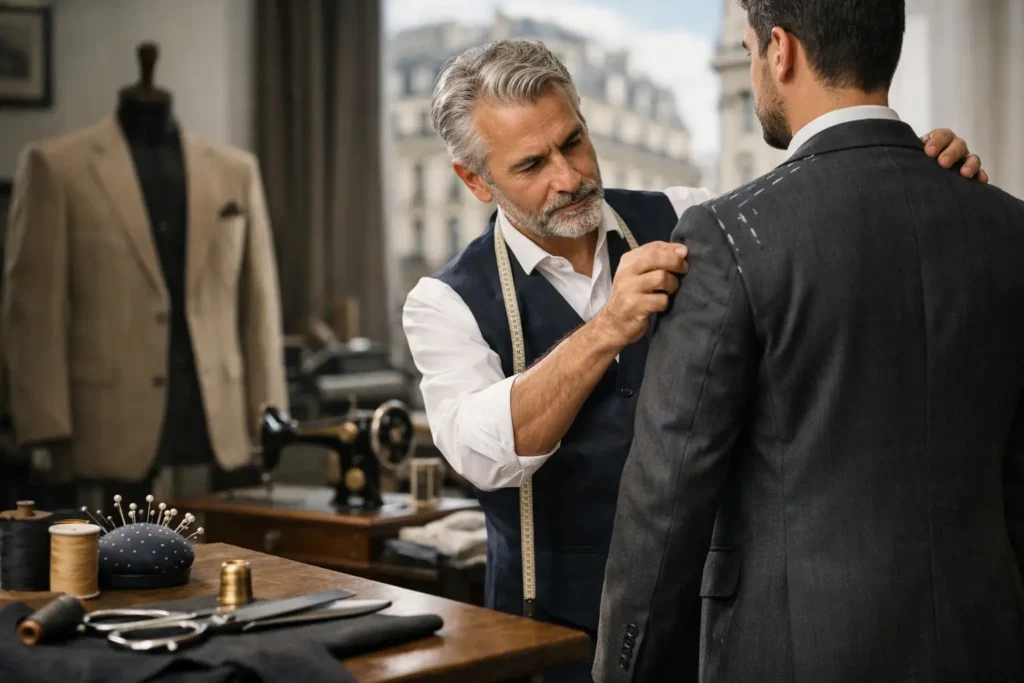
European Tailoring Craftsmanship Benefits
A jacket that pulls across the shoulders, trousers that break untidily at the shoe, or a dress that slips at the neckline can make even quality clothing feel wrong. The real European tailoring craftsmanship benefits are found in those details: a garment that follows your body comfortably, holds its shape, and feels made for you rather than simply bought off the rack.
For many Melbourne customers, tailoring is not about chasing a formal or old-fashioned look. It is about making the clothing already in your wardrobe work harder. A well-adjusted work suit looks sharper in meetings, a favourite pair of jeans becomes comfortable again, and a special-occasion dress sits properly from the first photo to the last dance.
What European Craftsmanship Means in Tailoring
European tailoring is often associated with a long tradition of hand skills, close fitting, garment structure and careful finishing. It is not one single style. Italian, British and Eastern European tailoring traditions can differ greatly in silhouette and construction. What they share is a respect for proportion and an understanding that small adjustments can change how a garment looks and feels.
In practical alteration work, this approach starts with assessment rather than assumptions. An experienced tailor looks at how fabric falls while you stand, walk, sit and move your arms. They consider the garment’s original construction, where the balance is off, and whether the requested change will improve the whole piece rather than create a new problem elsewhere.
That is particularly valuable when altering lined jackets, structured dresses, formal trousers, leather garments and wedding wear. These pieces have layers, seams, facings and internal shaping that must be handled with care. A quick alteration may make one area smaller, but expert work keeps the garment balanced.
European Tailoring Craftsmanship Benefits for Everyday Wear
The most noticeable benefit is fit. Ready-to-wear clothing is made to standard measurements, but bodies are not standard. You may have broader shoulders, a smaller waist, longer arms, a fuller bust or a different hip-to-waist proportion than the pattern assumed. Tailoring corrects those differences so the garment works with your shape.
A better fit also improves comfort. Waistbands can be adjusted so they sit securely without digging in. Sleeves can be shortened to show the right amount of cuff. A dress can be reshaped through the bodice so you are not continually pulling it into place. These changes may seem minor on their own, yet they remove the distractions that make people stop wearing otherwise good clothing.
Appearance follows naturally. When a shirt sits cleanly at the shoulder and a blazer has the right sleeve length, you look more polished without needing a new wardrobe. For professionals, that can make daily dressing simpler. For weddings, graduations and important events, it helps you feel confident rather than preoccupied with a loose strap, dragging hem or awkward fit.
Precision protects the garment’s proportions
Shortening trousers is not always just a matter of cutting and hemming. The tailor needs to consider the intended break, the width of the hem, the shoe you will wear and details such as cuffs, zips or original finishes. Similarly, taking in a dress may require adjustments through more than one seam so the neckline, darts and side seams still sit correctly.
This focus on proportion is one reason quality tailoring can make an affordable garment look considerably more refined. The clothing still has its original fabric and construction, but it now sits as it should.
Careful finishing supports longevity
Good alteration work respects the fabric and the way the garment was made. Seams are pressed properly, linings are reattached neatly, and hems are finished to suit the item rather than rushed through as an afterthought. The result should look natural inside and out.
That care helps extend the useful life of clothing. Replacing a broken zip, repairing a torn seam, reinforcing a stressed area or resizing a once-loved garment can keep it out of the back of the wardrobe or the rubbish pile. Tailoring is often a more considered choice than replacing an item that only needs skilled attention.
Where Skilled Alterations Matter Most
Some garments are forgiving. A simple cotton T-shirt may not justify extensive changes if the fabric or construction is already worn out. Others benefit greatly from precise tailoring because their fit and structure are central to their purpose.
Suits are a clear example. The shoulders, jacket length, sleeve length, trouser waist and seat all affect the overall line. Shoulder alterations in particular are complex and may not always be cost-effective, so a trustworthy tailor will explain what is achievable before beginning. Often, smaller changes to the waist, sleeves and trousers deliver the best result without overworking the garment.
Wedding and formal dresses also need a measured approach. Delicate fabrics, beading, lace, boning and multiple layers require time and careful handling. The goal is not only to make the dress fit at the fitting appointment, but to ensure you can sit, walk, breathe and move comfortably throughout the occasion.
Leather, suede and heavily lined garments have their own challenges. They need appropriate needles, machinery and experience because incorrect stitching can leave permanent marks. In these cases, choosing a tailor who assesses the garment first is far safer than treating the job as a standard clothing repair.
The Value of a Proper Fitting
A fitting is where craftsmanship becomes personal. Instead of providing a size and hoping for the best, you can show how you want the garment to sit and explain when you will wear it. Bring the shoes, belt, bra or undergarments you expect to use, especially for suits, dresses and bridal garments. They can affect hem length, posture and the way fabric falls.
It also helps to be clear about your priorities. Some people want a close, contemporary fit. Others need more room for comfort, movement or changing body shape. Neither preference is wrong. The right alteration is the one that suits your life and gives you confidence when you put the garment on.
An expert tailor should also be candid about limits. A garment can only be let out if there is enough seam allowance, and certain fabrics may show previous stitch lines or needle marks. A good recommendation takes account of the garment’s condition, value and future wear, not just whether an alteration is technically possible.
Choosing Craftsmanship Over a Quick Fix
Fast alterations have their place when the work is straightforward and timing is tight. But speed should not mean skipped fittings, uneven hems or changes that compromise the garment. For clothing you wear often or pieces that matter for a major occasion, careful work is worth planning for.
Ask whether the tailor will assess the item in person, whether a fitting is needed, and what result is realistic. You do not need fashion terminology to have a useful conversation. Simply explain what feels uncomfortable, where the garment looks wrong, and how you would like to wear it.
At AD Stitch, European tailoring heritage is applied to practical clothing needs: refining a business suit, adjusting a bridesmaid dress, repairing a favourite jacket or making everyday trousers fit properly. The focus is always on accurate alterations, thoughtful workmanship and a result that feels like your own clothing, only better.
Before you replace a garment because it almost fits, bring it in for an honest assessment. The right adjustment can turn an overlooked item into one you reach for with confidence.