


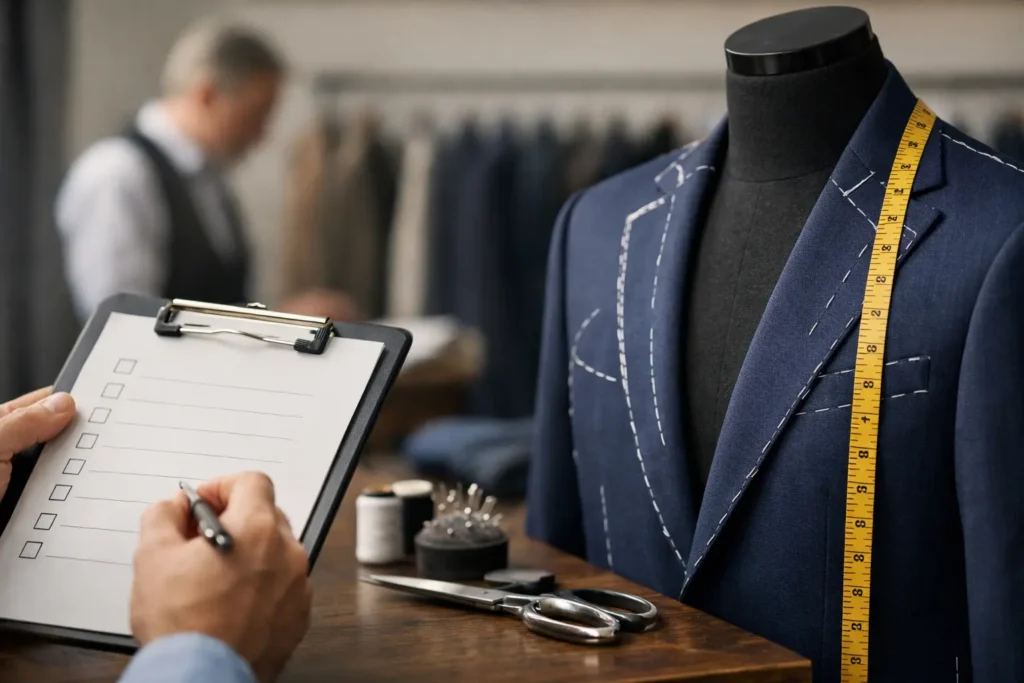
Tailoring Service Review Checklist
Handing over a favourite blazer, wedding dress or everyday jeans can feel like a small risk. A proper tailoring service review checklist helps you judge whether a tailor is likely to deliver a clean fit, careful workmanship and a straightforward experience before your garment is on the workbench.
Why a tailoring service review checklist matters
Most people do not choose a tailor every week. They book one when the stakes are higher – a suit needs to sit properly for work, a bridesmaid dress needs reshaping before an event, or a much-loved jacket needs repair instead of replacement. That means one poor decision can cost money, time and confidence.
A good tailoring service is not only about whether someone can shorten hems. It is about whether they understand proportion, fabric behaviour, body shape, movement and finishing. It is also about communication. Even excellent technical work can disappoint if expectations were never clarified at the fitting.
That is why reviews matter, but not all reviews are equally useful. Five stars with no detail tells you very little. A thoughtful review that mentions fit accuracy, turnaround, fabric handling and customer care gives you something real to assess.
What to look for in tailoring service reviews
When reading customer feedback, start with the garment type. A tailor may be excellent with business trousers but less experienced with beading, bridal fabrics or leather. The most helpful review is one that matches your own needs as closely as possible.
Look closely at comments about fit. Good reviews often describe the result in practical terms: sleeves sat neatly at the wrist, the waist no longer pulled, the dress moved comfortably, the trousers broke correctly over the shoe. Specificity is a strong sign that the customer noticed the workmanship rather than only the friendly service.
Communication is another major marker. Reviews should suggest that the tailor listened, explained what was possible and flagged any limits early. That matters because not every alteration is advisable. Some garments have little seam allowance, some designs lose balance if adjusted too heavily, and some quick fixes create visible compromise. A trustworthy tailor says so.
Pricing comments deserve context. Cheap is not always good value if the finish is rough or the alteration needs redoing. On the other hand, high pricing alone does not prove quality. The best reviews usually mention fairness – customers feel they understood the cost, knew what they were paying for and believed the result justified it.
The tailoring service review checklist: 7 signs to check
1. Reviews mention the same type of alteration you need
If you need wedding alterations, suit resizing or curtain adjustments, find evidence that the tailor handles that category regularly. A general positive reputation helps, but specialised jobs require specialised judgment. Bridalwear, for example, often involves layers, lace, boning and very fine finishing. Leather behaves differently again.
2. Customers describe the fit, not just the service
Friendly service is valuable, but fit is the real product. Strong reviews talk about how the garment sat on the body, how it felt when worn and whether it looked more polished after alteration. That is a better indicator than vague praise.
3. There is evidence of consistency
One glowing review can happen anywhere. What you want is a pattern. If multiple customers mention accuracy, neat finishing, reliable timelines and clear communication, that is more persuasive than one standout comment.
4. The tailor seems honest about what can and cannot be done
This is often hidden inside review wording. Phrases like “explained my options”, “gave realistic advice” or “suggested a better approach” are encouraging. Skilled tailors protect the garment as much as the customer’s expectations.
5. Turnaround times sound realistic
Fast service is useful, especially before an event, but speed should not come at the cost of precision. Reviews that mention urgent jobs completed well are a plus. Reviews that hint at rushed work, loose stitching or details missed are a warning.
6. Customers felt looked after during fittings
The fitting process is where good tailoring begins. Reviews should suggest the customer was listened to, measured carefully and given room to discuss how they wanted the garment to sit. This is particularly important for formalwear, workwear and special occasion clothing.
7. The finished garment held up after wear
The best review is not always written on the day of collection. It is the one that says the alteration still looked excellent after the event, after a work week or after repeated wear. Durability tells you a lot about stitching quality and finishing standards.
Red flags that deserve a second look
A review profile can look strong at first glance but still hide concerns. Be cautious if most feedback is very brief and repetitive, especially if it never mentions actual garments or outcomes. Generic praise is not useless, but it is less reliable than detailed experience.
Be alert to repeated complaints about missed deadlines, poor communication or garments being returned with issues unaddressed. One late job during a busy period may be understandable. A pattern of lateness is different. The same applies to pricing surprises. Tailoring can be complex, and quotes may vary after inspection, but customers should still feel informed rather than caught off guard.
Another red flag is a review mix that praises friendliness while criticising results. A pleasant experience matters, but if hems twist, linings bunch or shoulders sit unevenly, charm will not fix the garment.
Beyond reviews: what to check before you book
A tailoring service review checklist works best when paired with a few practical checks of your own. Start with the initial contact. Was the response clear and helpful? Did the business ask sensible questions about the garment, timing and required alteration? Good service often shows itself early.
Then consider whether the tailor appears equipped for your job. A full-service tailoring studio will usually be more comfortable handling a wide range of garments and fabrics than a basic alterations counter. That does not mean every complex job needs a specialist studio, but it does mean capability matters.
At the fitting, notice whether the tailor checks balance, proportion and movement rather than pinning only where the garment looks loose. Proper alterations are about how clothing wears on the body, not just where fabric can be taken in. A jacket, for instance, may need attention through the sleeve, shoulder line or back shape depending on the issue. The right answer depends on the garment.
If you are in Melbourne and comparing local options, practical convenience also counts. A trusted local tailor with consistent workmanship, direct communication and straightforward fitting access can save a lot of stress, particularly when timing is tight.
How to read reviews with the right expectations
Tailoring is not magic, and the best reviews usually reflect that. Some garments can be transformed beautifully. Others can only be improved within the limits of their original cut, fabric or construction. That is why overly dramatic promises should be taken lightly.
It also helps to remember that customer expectations vary. One person may want a very slim fit, while another prefers comfort and ease. Reviews are most useful when they show that the tailor listened and delivered what the customer asked for, not when they simply claim the result was “perfect”. Perfect for whom matters.
This is especially true for event clothing. Wedding gowns, formal dresses and made-to-fit suits often involve more than one fitting. That is not a sign of poor service. It is often a sign of care. Reviews that mention thoughtful follow-up fittings can actually be a positive.
Choosing a tailor with confidence
The best tailoring service review checklist is not about chasing the highest star rating. It is about reading for signs of craftsmanship, consistency and care. You want evidence that garments are handled properly, advice is honest, timing is managed well and the finished fit feels right in real life.
For customers who value presentation, comfort and getting more wear out of their wardrobe, that level of trust matters. A well-chosen tailor does more than alter clothing. They help your garments work harder, look sharper and feel more like your own.
When you read the next review, look past the score and listen for the details. That is usually where the real quality shows.