


School Uniform Alterations Melbourne Families Need
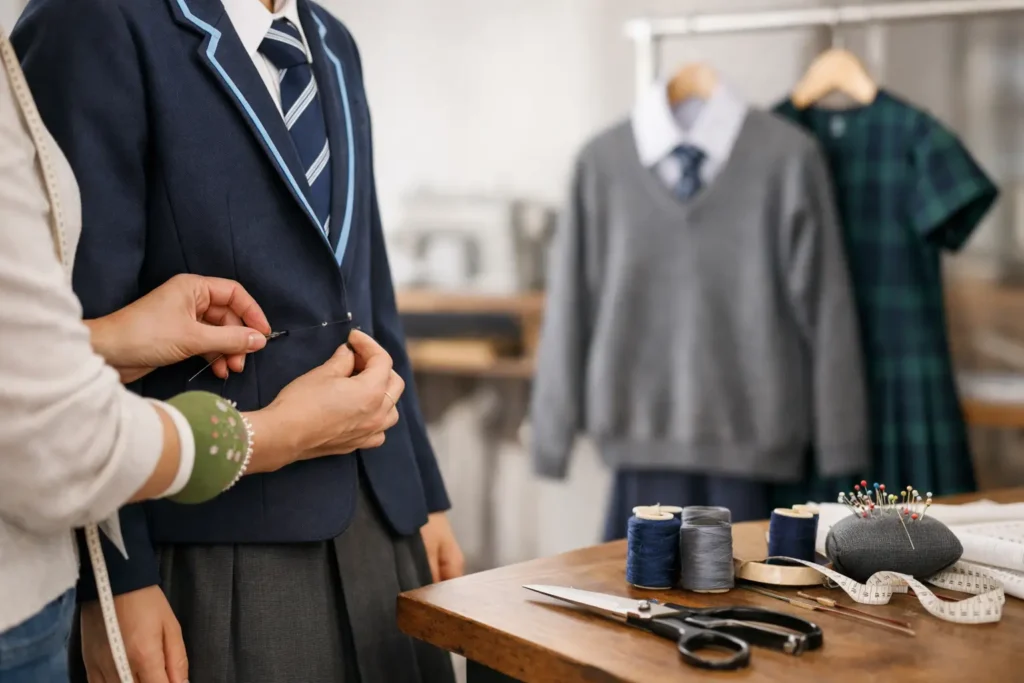
A school uniform can look perfectly fine on the hanger and still be uncomfortable by the first bell. Sleeves can swallow small hands, trouser hems can drag through wet grass, and a skirt waistband can feel tight long before the day is over. Professional school uniform alterations Melbourne families arrange before term starts can make everyday dressing easier, neater and far more comfortable for children.
A well-fitted uniform is not about making a child look overly formal. It is about allowing them to sit on the floor, run at lunch, reach for a bag and concentrate in class without tugging at a waistband or worrying about a hem. Small adjustments made with care often extend the useful life of a uniform, too – a practical benefit when children seem to grow between one school photo and the next.
Why school uniform fit matters
Schoolwear works hard. It is washed frequently, worn through sport, packed into school bags and asked to withstand a full week of activity. When the fit is wrong, the fabric is placed under extra stress. A hem catches on shoes, a strained seam begins to split, or a shirt that is too large bunches under a jumper.
The right alteration protects both comfort and presentation. Trousers should sit securely without restricting movement. Skirt hems should meet the school’s dress expectations while still allowing a natural stride. Shirt sleeves need enough length for growth, but not so much that cuffs get caught while writing, eating or washing hands.
Fit also affects confidence. Some children will not mention that their uniform feels awkward, especially during the busy first weeks of term. They may simply avoid wearing a particular item or spend the day adjusting it. A careful fitting removes those quiet distractions.
School uniform alterations Melbourne parents commonly request
Every school has its own uniform requirements, and every child grows differently. That is why alterations should be considered garment by garment rather than treated as a one-size-fits-all job.
Trouser and skirt hems
Hemming is one of the most common adjustments for new uniforms. The aim is a clean, even length that suits the school’s guidelines and the child’s footwear. It is worth bringing the shoes they normally wear to school to the fitting, particularly for trousers. The difference between school shoes and runners can change where a hem sits.
For growing children, an experienced tailor can discuss whether there is enough existing hem allowance to let down later. This depends on the garment’s construction and fabric. Leaving a generous hem where possible can provide extra wear, but it is not always an option with every ready-made uniform.
Waist and seat adjustments
A uniform that fits at the waist may be too loose through the hips, or trousers may fit in the leg but slip at the waist. Taking in a waistband, adjusting the centre back or refining the seat can help a garment sit properly without relying on a tightly pulled belt.
There is a trade-off here. Taking an item in too much can reduce the room available for growth. For younger children, it may be wiser to make a moderate adjustment and retain some flexibility. For older students who are close to their adult height, a closer fit can be a better long-term choice.
Shirt, blouse and sleeve alterations
Shirts and blouses should allow movement through the shoulders and chest, particularly when worn under a blazer or jumper. Sleeve shortening can prevent cuffs from becoming grubby or getting in the way, while side seams may sometimes be adjusted for a tidier fit.
Be cautious about buying a shirt several sizes too large in the hope it will last for years. Excess fabric around the shoulders rarely sits well and cannot always be reshaped without affecting the garment’s balance. Choosing a sensible size and making targeted alterations usually gives a better result.
Repairs that keep uniforms in rotation
A missing button, split inner seam or loose badge does not always mean a uniform item needs replacing. Prompt repairs can keep a favourite jumper, blazer or pair of trousers wearable for another term or longer.
Common repair work includes reinforcing worn seams, replacing buttons, mending small tears and securing badges or name labels. Catching a problem early matters. A small opening at the crotch seam, for example, is generally simpler to repair before it becomes a larger tear.
Plan alterations before the rush
The best time to organise uniform adjustments is before term begins, not the night before the first day. Back-to-school periods are busy, and a proper fitting is easier when there is time to check each item carefully.
If you are buying new uniform pieces, have your child try on the full outfit at home first. Check the shirt with the jumper, the trousers with school shoes, and the skirt while sitting and walking. This gives a clearer picture than judging each item separately in a change room.
Bring all pieces that need attention to the fitting, including blazers, jumpers and the shoes normally worn with the uniform. It also helps to mention the school’s requirements for skirt length, trouser break or badge placement. A tailor can work accurately when they understand the intended result from the start.
For families managing a growth spurt, consider which items are worth altering now and which may be better replaced later. A quality blazer or formal uniform piece is often worth repairing or adjusting. Basic items that are already at their limit may not justify extensive work. Honest advice should take both the garment’s condition and your budget into account.
Choosing a tailor for school uniforms
Uniforms may be everyday clothing, but they still need precise handling. Strong stitching, even hems and secure repairs help garments cope with constant wear and washing. Look for a local tailor who takes measurements carefully, listens to what feels uncomfortable and can explain what is realistically possible with the garment.
Clear communication is especially useful when a child is between sizes. The goal may be a neat fit now with a little room to grow, rather than the closest fit possible. A good alteration balances appearance, movement and future wear.
At AD Stitch, school uniforms are handled with the same attention to fit and finish as other everyday and formal garments. From the Heidelberg studio in Warringal Shopping Centre, the focus is on practical, professional adjustments that help children feel comfortable and parents get more value from their uniform purchases.
A few checks before the first school day
Once alterations are complete, ask your child to try the uniform on again with the full school outfit. They should sit down, bend, lift their arms and walk in their usual shoes. Check that waistbands are comfortable, hems are even and sleeves do not interfere with their hands.
Wash new garments according to the care label before making final judgements about fit, particularly if the fabric is likely to settle or shrink slightly. If a uniform has been altered after washing, follow the tailor’s care guidance so the stitching and finish remain in good condition.
A uniform should support a school day, not become another thing a child has to manage. A well-placed hem, a secure seam or a more comfortable waistband can make the morning routine calmer and give them one less reason to think about what they are wearing.