


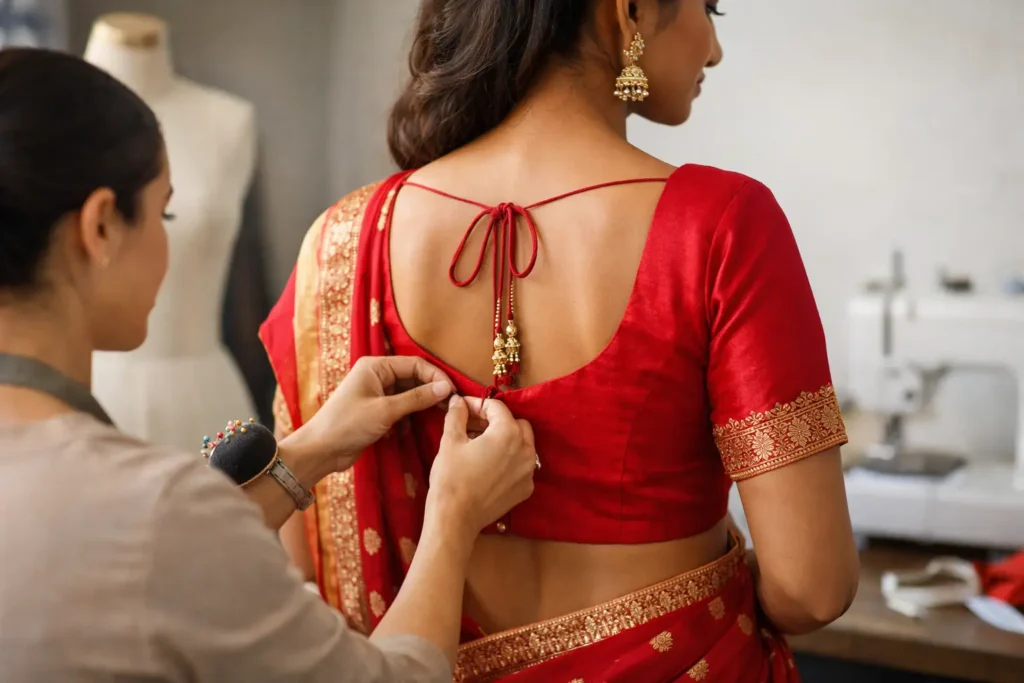
Saree Blouse Alterations Melbourne for a Better Fit
A saree blouse can look beautiful on the hanger and still feel wrong the moment you lift an arm, sit down or fasten the hooks. The difference is often just a few millimetres at the shoulder, bust or back. For saree blouse alterations Melbourne clients can rely on, the goal is not simply making a blouse smaller or larger. It is creating a secure, comfortable fit that supports how you want to wear your saree.
A well-fitted blouse brings the whole outfit together. It sits cleanly under the saree drape, gives you confidence for photos and celebrations, and lets you move comfortably through a long event. Whether your blouse is newly purchased, inherited, made overseas or has changed fit over time, careful tailoring can make it feel like it was made for you.
Why saree blouse fit needs specialised care
Saree blouses are often more structured than everyday tops. They may have a fitted bodice, shaped cups, a deep back, delicate sleeves, heavy embroidery, beadwork or ornate hook closures. Each detail affects where and how an alteration can be made.
The right fit should feel firm without restricting breathing or movement. A blouse that is too loose can shift under the saree and leave gaps at the neckline or armhole. One that is too tight may pull at the hooks, strain decorative fabric or make simple movements uncomfortable. The most successful alteration balances a smooth silhouette with enough ease for sitting, dancing and enjoying the occasion.
This is why a quick adjustment at a general counter is not always the best approach. Saree blouse work requires an understanding of fit, fabric behaviour and construction. A tailor should assess the garment while it is on you, not guess from measurements alone.
Common saree blouse alterations in Melbourne
Every blouse is different, but several adjustments come up regularly. Taking in the side seams can improve the fit through the bust and waist, while letting out seams may create extra room where the original construction allows it. Whether this is possible depends on the seam allowance inside the blouse and on the placement of embroidery or embellishment.
Shoulder adjustments can make a major difference when the neckline sits too high, the bust point is out of place or the sleeve hangs incorrectly. A small change at the shoulder can improve the line of the entire garment, although it needs to be planned carefully around piping, sleeves and decorative work.
Necklines and backs often need refining too. This may involve reducing a neckline that gapes, reshaping a back opening, repositioning hooks and eyes, or improving the fit around the upper back. If a blouse has a particularly deep or open back, secure closures are essential. The blouse should stay in place without you needing to keep checking it throughout the event.
Sleeve changes are also popular. A sleeve can be shortened, narrowed or reshaped for a cleaner finish. If the blouse is pulling under the arm, the armhole and sleeve may need attention rather than simply taking in the sides. This is a technical area where a small adjustment can noticeably improve comfort.
For older blouses, repairs may be part of the job. Loose hooks, worn seams, damaged lining and weakened closures can all be addressed before they become a problem on the day. A blouse may be sentimental or difficult to replace, so repairing it properly is often a worthwhile choice.
What to bring to your fitting
Bring the blouse, the saree you plan to wear and the undergarment you expect to wear on the day. This matters because a different bra, shapewear or blouse lining can alter the fit across the bust and back. If you will be wearing jewellery, a dupatta or a particular drape style, mention it during your fitting as well.
Wear or bring shoes close to the height you will choose for the occasion if the appointment also includes alterations to the saree length. While the blouse is the focus, the complete outfit should work as one. The way a saree is pinned and draped can affect how the blouse appears at the neckline, waist and shoulders.
If you have inspiration photos, they can help explain the finish you prefer. A photo cannot replace an in-person fitting, but it can show whether you want a close, traditional fit, more coverage around the back, a sharper sleeve line or a softer look through the waist.
Timing matters more than people expect
Avoid leaving your blouse until the last possible day. Complex work, hand-finished details and heavily embellished fabrics can require more care than a simple seam adjustment. A fitting ahead of the event also gives you time to try the blouse again and make any small refinements if needed.
For wedding events, engagements, festivals and major family celebrations, arrange alterations well before the date. Your body measurements can change, so it is sensible to schedule the final fitting closer to the occasion without making it a last-minute rush. If you are travelling or have multiple outfits, allow extra time to assess each blouse separately.
Urgent work may be possible depending on the alteration and workshop availability, but speed should not come at the cost of a secure finish. A loose hook or poorly finished seam is not something you want to discover halfway through a celebration.
Choosing the right alteration approach
Not every issue should be solved by taking in the side seams. If the blouse fits at the waist but pulls across the bust, the solution may be different from a blouse that is loose everywhere. Likewise, a neckline that gapes could be caused by shoulder length, bust shaping, the back opening or the way the blouse is sitting with your chosen undergarment.
Fabric also changes the approach. Silk, brocade, velvet, net and embellished materials all respond differently to stitching and pressing. Fine fabrics need careful handling to avoid marks, puckering or visible needle holes. Heavy embroidery may limit where a seam can be moved, while delicate net may need reinforcement to retain its shape.
A skilled tailor will explain what can realistically be altered and where compromises may be needed. For example, letting out a blouse is only possible when there is enough spare fabric in the seams. Lengthening a sleeve may require matching fabric, which is not always available. Honest advice protects both the garment and the final result.
A fitting designed around comfort and confidence
At AD Stitch, saree blouse alterations are approached with the same care given to formalwear, wedding garments and detailed dress alterations. The fitting begins with how the blouse feels on your body and how it will work with the saree, rather than relying on standard sizing.
Clear communication is part of good tailoring. Mention any area that feels tight, loose, itchy or insecure, even if it seems minor. Explain how long you will wear the outfit and whether you expect to dance, sit for extended periods or move between events. These details help guide the fit so your blouse looks polished without feeling overly restrictive.
A neat internal finish matters as much as the outward appearance. Well-finished seams, secure closures and considered shaping help the blouse hold its form through a full day or evening of wear. That is especially valuable for garments worn at meaningful occasions, where comfort should never distract from the celebration.
Care after your blouse has been altered
Once your blouse has been fitted, store it carefully between wears. Fasten hooks before placing it away so they do not catch on fabric, and avoid hanging heavily embellished blouses in a way that stretches the shoulders. If the garment has beadwork or delicate embroidery, use a breathable garment cover and keep it away from direct sunlight.
After an event, check the hooks, seams and lining before storing it. Catching a small repair early can extend the life of a favourite blouse and save a stressful repair before the next occasion.
The right alteration should let you forget about the blouse once you are dressed. When it sits securely, moves comfortably and complements your saree beautifully, you are free to focus on the people, photos and moments that matter.