


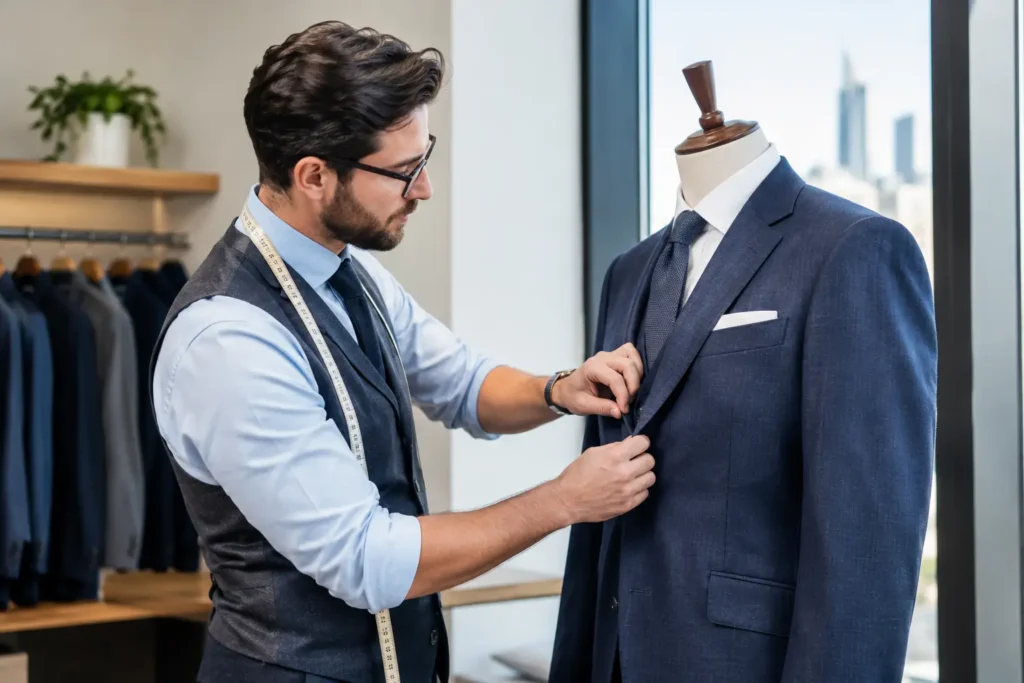
How to Choose a Good Tailor in Melbourne
A jacket that pulls across the shoulders, a dress that gaps at the waist, or trousers that break awkwardly over your shoes can make an otherwise excellent garment feel wrong. Knowing how to choose a good tailor in Melbourne means looking beyond the nearest alterations counter and finding someone who understands how clothing should sit, move and feel on your body.
The right tailor does more than shorten a hem. They assess the garment, explain what is achievable and make careful adjustments that preserve its shape, proportion and character. Whether you are preparing for a wedding, refining a work suit or rescuing a favourite pair of jeans, a little care in choosing your tailor can make a noticeable difference.
Start with the type of alteration you need
Not every alteration requires the same skills. Basic hemming and simple repairs are common services, but more complex work calls for experience with garment construction, fabric behaviour and fit. A tailored jacket, formal gown, leather garment or wedding dress should be handled by someone who regularly works with those items.
Before booking, be clear about what you want changed and why. Is the garment too loose through the body? Does a sleeve need reshaping rather than simply shortening? Is a zip failing, or has the fabric around it become worn? A good tailor will ask questions, inspect the garment closely and suggest the most appropriate solution rather than promising a quick fix without seeing it.
For special garments, ask directly about relevant experience. Wedding alterations may involve delicate fabrics, boning, lace, beading or several fittings. Suit alterations require an eye for balance through the shoulders, chest, waist and trouser leg. Leather needs different machines, needles and handling again. Specialist experience is worth paying for when the garment is valuable or difficult to replace.
How to choose a good tailor in Melbourne by checking workmanship
The finish of an alteration often tells you more than a price list. Look at examples of the tailor’s work where possible, or bring in a less important garment first if you have a larger job planned. Neat stitching, even hems, secure fastenings and clean pressing are all positive signs.
A quality alteration should look considered inside and out. On a lined jacket or dress, the lining should sit smoothly without pulling. Seams should lie flat, and hems should not twist or ripple. On trousers, the original style of hem should be retained where practical. These details matter because they affect both appearance and comfort.
Ask how the tailor approaches the job. There is no single correct method for every garment, but the explanation should make sense. For example, taking in a dress at the side seams may be suitable in one case, while adjusting the centre back or shoulder line may produce a better result in another. An experienced tailor will explain the trade-off instead of treating every alteration as identical.
Be cautious if a business offers an answer before inspecting the garment. Fabric condition, previous alterations, seam allowances and garment construction can all affect what is possible. Honest advice is a mark of craftsmanship, even when the answer is that an alteration is not worthwhile.
A proper fitting is part of the service
Good tailoring is personal. Measurements matter, but so does how you stand, walk, sit and prefer your clothes to feel. A skilled tailor should take time to pin the garment on you, check the balance from different angles and discuss the fit you want.
Wear the shoes and undergarments you plan to use with the garment where relevant. This is especially important for dresses, wide-leg trousers, bridal wear and formal outfits. The height of your heels can change a hemline dramatically, while the right bra or shapewear can alter how a bodice sits.
During the fitting, speak up about comfort. You may want a fitted silhouette, but you still need to breathe, sit at work or move around an event comfortably. A good tailor will help you find the point between a sharp fit and a restrictive one. For suits, this can mean allowing enough room to button the jacket comfortably. For casual clothing, it may mean preserving ease through the hips or thighs.
Complex garments may need more than one fitting. That is not a sign that something has gone wrong. It is often the best way to achieve accuracy, particularly where several parts of the garment need adjusting or the fabric is delicate.
Consider communication, timing and realistic pricing
A trusted local tailor should be easy to speak with. You should feel comfortable asking what will be changed, how long it will take and what the quoted price includes. Clear communication helps avoid disappointment, particularly when you are working towards an event date.
Turnaround times vary. A simple hem may be completed quickly, while wedding, suit or leather alterations can require more time and additional fittings. If you need something urgently, ask early and be upfront about your deadline. A professional tailor will tell you whether the work can be completed properly in the available time rather than overpromising.
Price matters, but it should not be the only deciding factor. Very low prices can sometimes reflect a rushed process, limited fitting time or shortcuts that compromise the finish. At the same time, higher pricing is not automatically proof of better work. The best value comes from a fair quote, clear advice and an alteration that gives your garment years more wear.
If a quote changes after inspection, the tailor should explain why. Hidden damage, a complicated lining, beading or limited seam allowance can all add time to a job. Transparency is more valuable than a vague estimate that leaves you unsure of the final cost.
Look for care, not just convenience
Convenience is useful, particularly when you need a repair before work or an outfit adjusted for the weekend. But it should be paired with careful handling. Notice whether garments are labelled clearly, fittings are organised and collection times are explained. These small signs suggest a business takes responsibility for customers’ clothing.
It is also worth considering whether the tailor sees alterations as a way to extend a garment’s life. A quality repair can keep a much-loved coat, pair of trousers or occasion dress in use instead of sending it to the back of the wardrobe. Sometimes a repair is straightforward; other times the fabric may be too worn for a long-lasting result. A reliable tailor will be candid about that distinction.
Customer feedback can be helpful, particularly when comments mention specific results such as accurate fit, careful handling, friendly service or reliable timing. Look for patterns rather than relying on one glowing or negative review. Recommendations from friends, family or colleagues can also be valuable when their clothing needs are similar to yours.
Bring the whole picture to your appointment
A productive appointment begins before you arrive. Bring the shoes, accessories or layers that affect the fit, and explain where you will wear the garment. A dress for a long reception has different requirements from one worn for a short photo shoot. A business suit should be fitted for your working day, not just for standing in front of a mirror.
If you have a preferred fit, describe it in practical terms. You might say you want the trousers to sit cleanly without feeling tight when seated, or that you want the dress waist defined while keeping room to move. Photos can help communicate a style preference, but the final adjustment should always work with your body and the construction of the garment.
At AD Stitch, this careful, one-to-one approach is central to expert clothing alterations. The goal is not to force a garment into an unrealistic shape, but to make it look intentional, feel comfortable and serve you well.
The best tailor will leave you feeling heard as well as well dressed. Choose someone whose workmanship you trust, whose advice is clear and whose fitting process gives your garment the attention it deserves. A precise alteration can change the way you wear a piece, and often the way you feel when you walk out the door.